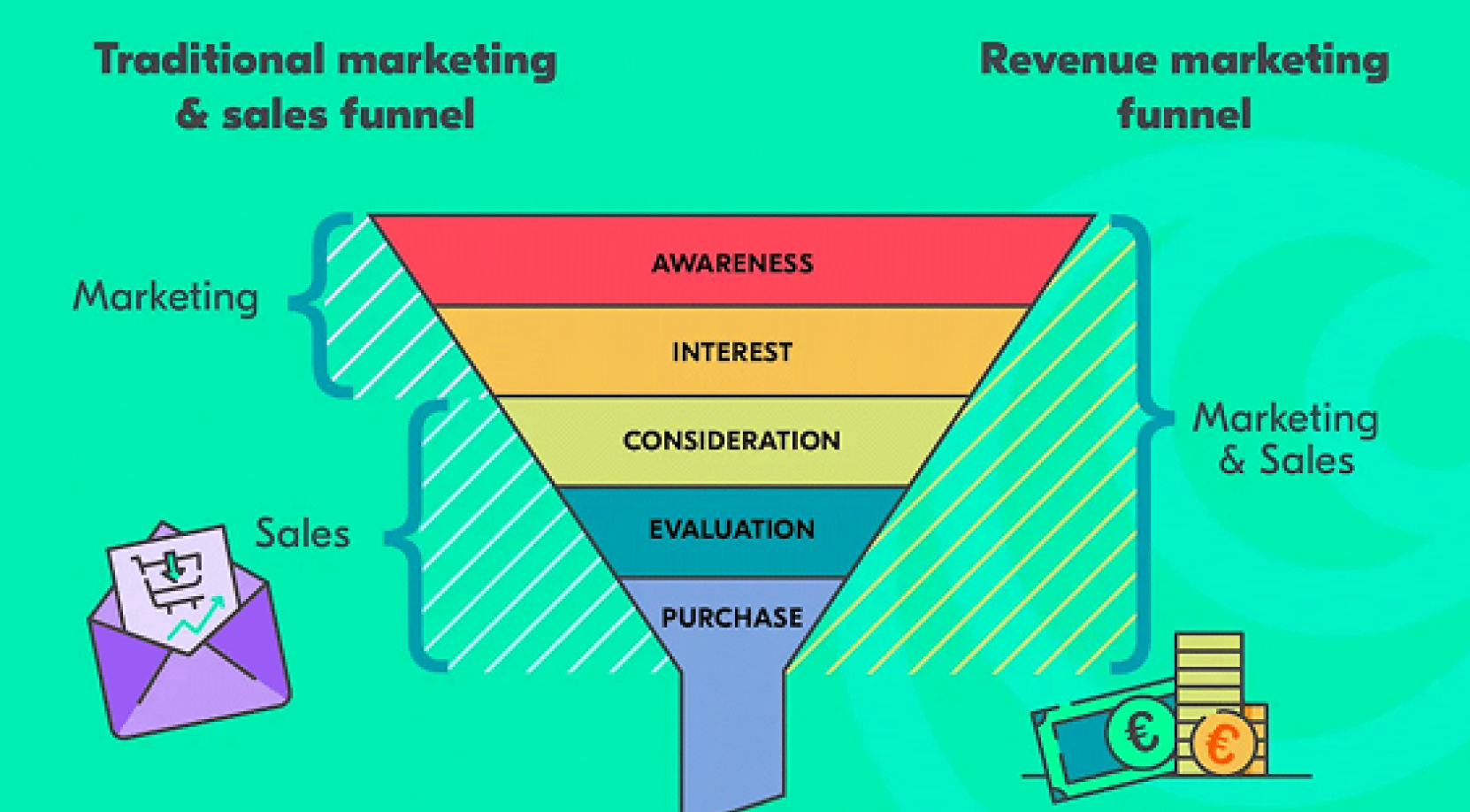
Closed-won is a sales term that is used to signify that a deal has been successfully closed with a prospect or lead and that this person is now considered to be a customer or client. In other words, it’s the moment when a prospect exits the bottom of the sales funnel and everything has been 100% finalized. It is the opposite of closed-lost, where a prospect formally declines to go through with a purchase.
Situations that typically lead to a closed-won situation include:
- Finalizing the sale of a product or service order
- Electronically signing a subscription contract
- Converting a prospect into a customer
It’s more than just a status update. Way more. It’s a milestone in the sales journey that showcases all your hard work and perseverance. It’s a signal to yourself, your colleagues, and your managers that you’re doing well.
A closed deal is the culmination of:
- Outreach
- Solution alignment
- Negotiation
It’s finally all come together, and you’ve got a customer excited to start their journey with you.
How You Get a Deal to Closed Won Status
Getting this outcome involves several steps, and often multiple teams. It begins with outreach and qualification. You’ve got to make sure you’re connecting with the right potential clients.
From there, you move into the pipeline stages: analysis, proposal, and negotiation. In these stages, sales reps have to address objections, tailor offerings, and build trust.
After all these stages have been knocked down, your deal moves into closed won status. It's an ongoing process to keep deals moving into this state. As the saying goes, Always be Closing.
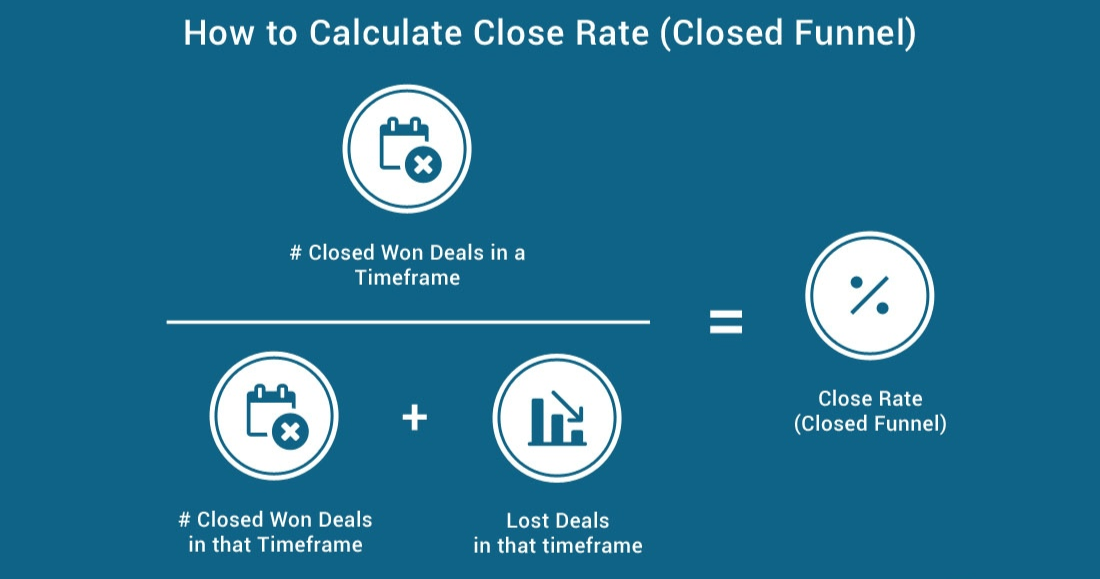
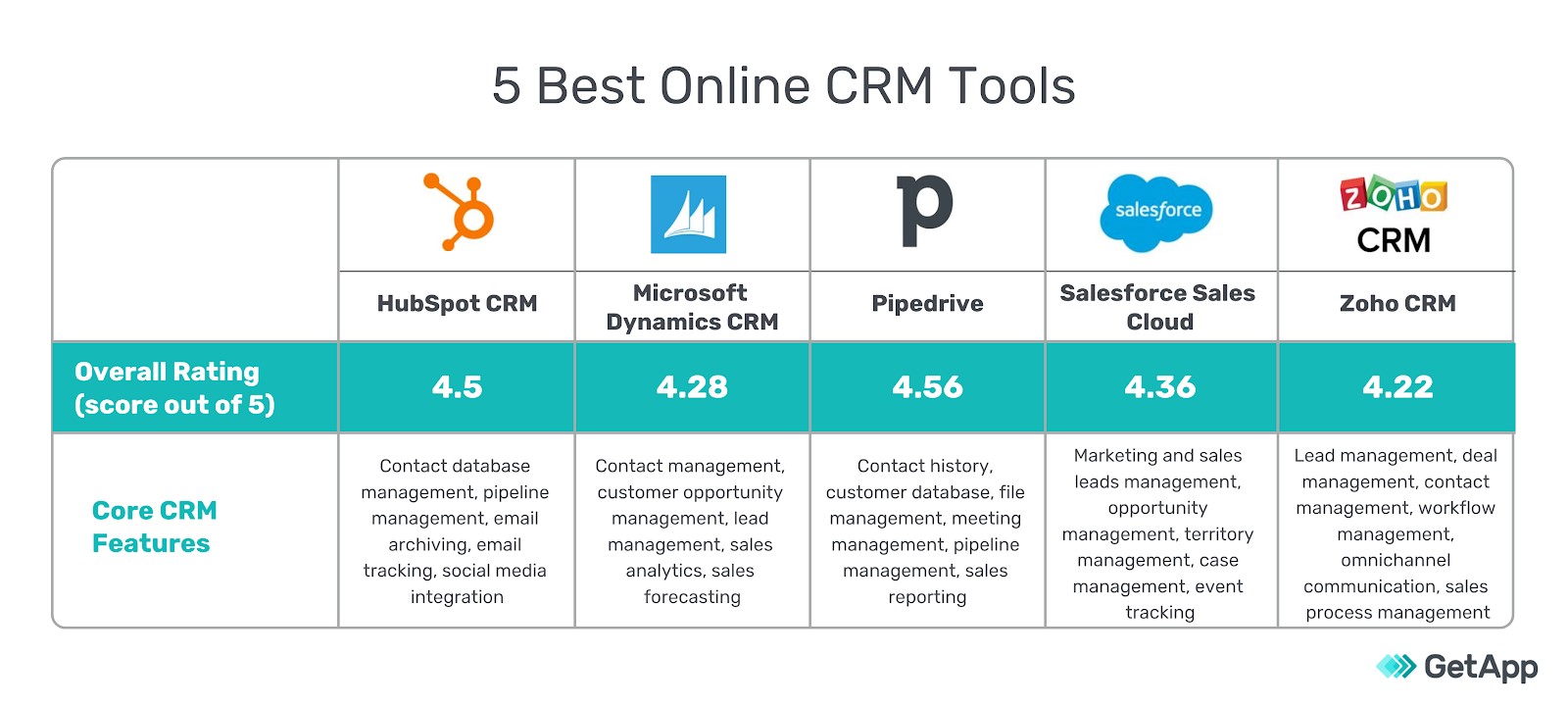
Closed-won is a widely used term in sales environments and you may come across it in customer relationship management (CRM) systems like Salesforce. It is a reflection of the outcome all sales reps hope and work so hard for. It’s like that golden ticket: the ultimate measure of success at every level.
In CRM platforms like Salesforce, the closed won stage plays a critical role in forecasting and reporting. Sales managers use this data to evaluate the performance of their teams and measure conversion rates. They can also use it to predict future revenues. After all, if a strategy worked once, twice, or three times, why wouldn’t it work again?
Because only finalized deals are considered closed won, the status stands as one of the most reliable indicators of success for a sales team.
How to Create a Closed Won Report:
FAQs
Obviously, you'll want to track your successfully won deals in order to evaluate revenues as well as predict future revenues. It also helps with performance analysis and sales effectiveness. With this data, sales leaders can make data-driven decisions and adjust sales strategies accordingly.
Closed lost is the opposite of closed won, where a prospect formally declines to go through with a purchase.
Closed won indicates that a sales opportunity or deal has been successfully closed, resulting in a prospect being converted into a paying customer or client.
"Closed won" is the term used by sales teams when they have finalized a deal with a client. It means a prospect has officially become a client, after they've agreed to a sale. The business can now recognize the incoming revenue.
Stages that lead to a closed won situation include finalizing the sale of a product or service order, electronically signing a subscription contract, or converting a prospect into a customer.