A competitor is an individual or company that is actively trying to win customers or market share in the same market as another individual or company. In business, competitors may offer similar products or services and may try to differentiate themselves through price, quality, branding, or other factors.
Competitors may also engage in marketing efforts to promote their products or services and to make them more attractive to potential customers. It is common for businesses to closely monitor the activities of their competition in order to stay ahead in the marketplace.
Here's a list of famous rivalries between startups and big tech companies.
Competing companies may use a variety of tactics to try to win customers or market share. These can include offering competitive pricing, promoting their products or services through advertising or other marketing efforts, differentiating their products or services from those of their competitors through features or benefits, improving the quality of their products or services, and building strong brand recognition.
Businesses can use a variety of competitive intelligence tools to analyze their opponents, and use that data to inform their business strategy. Companies may also engage in research and development in order to create new products or to improve existing ones, and may try to make their products or services more convenient or easier to use for customers. Additionally, companies may try to build strong relationships with customers through excellent customer service or by offering loyalty programs or other perks.
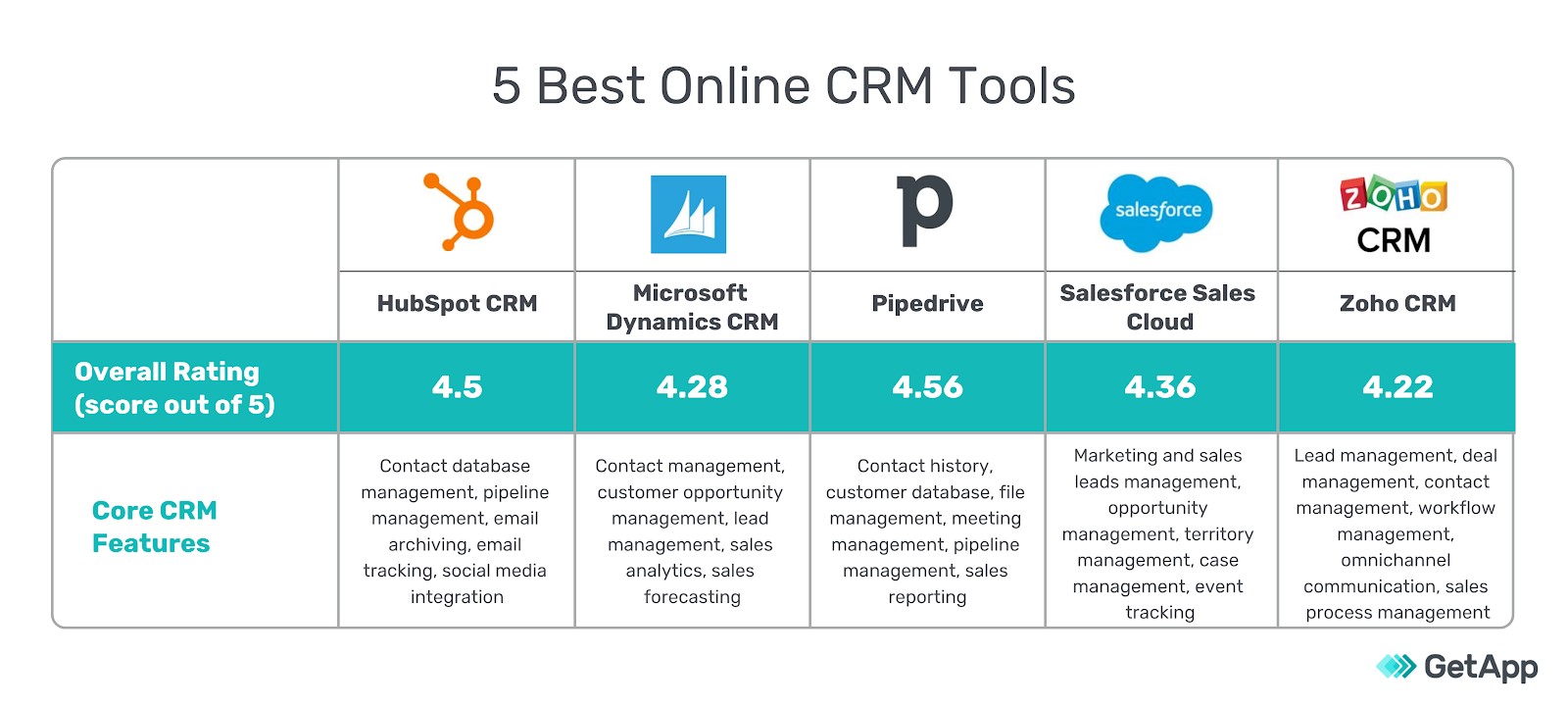
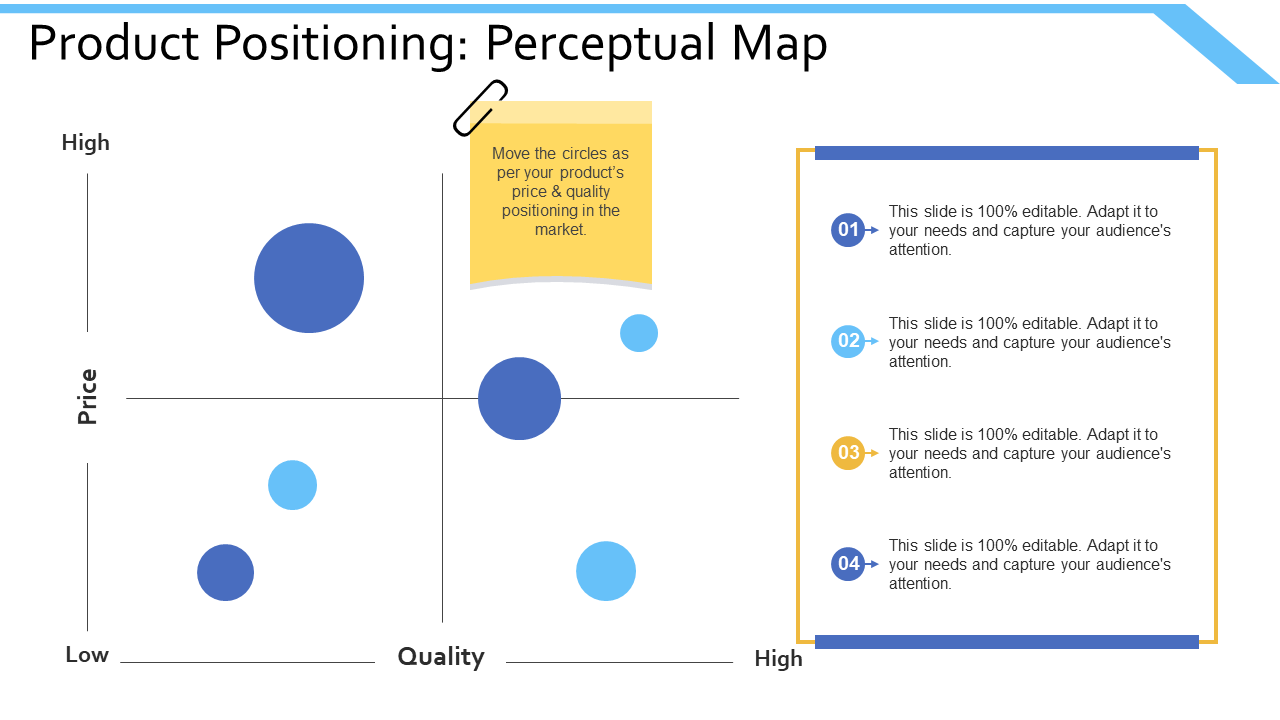
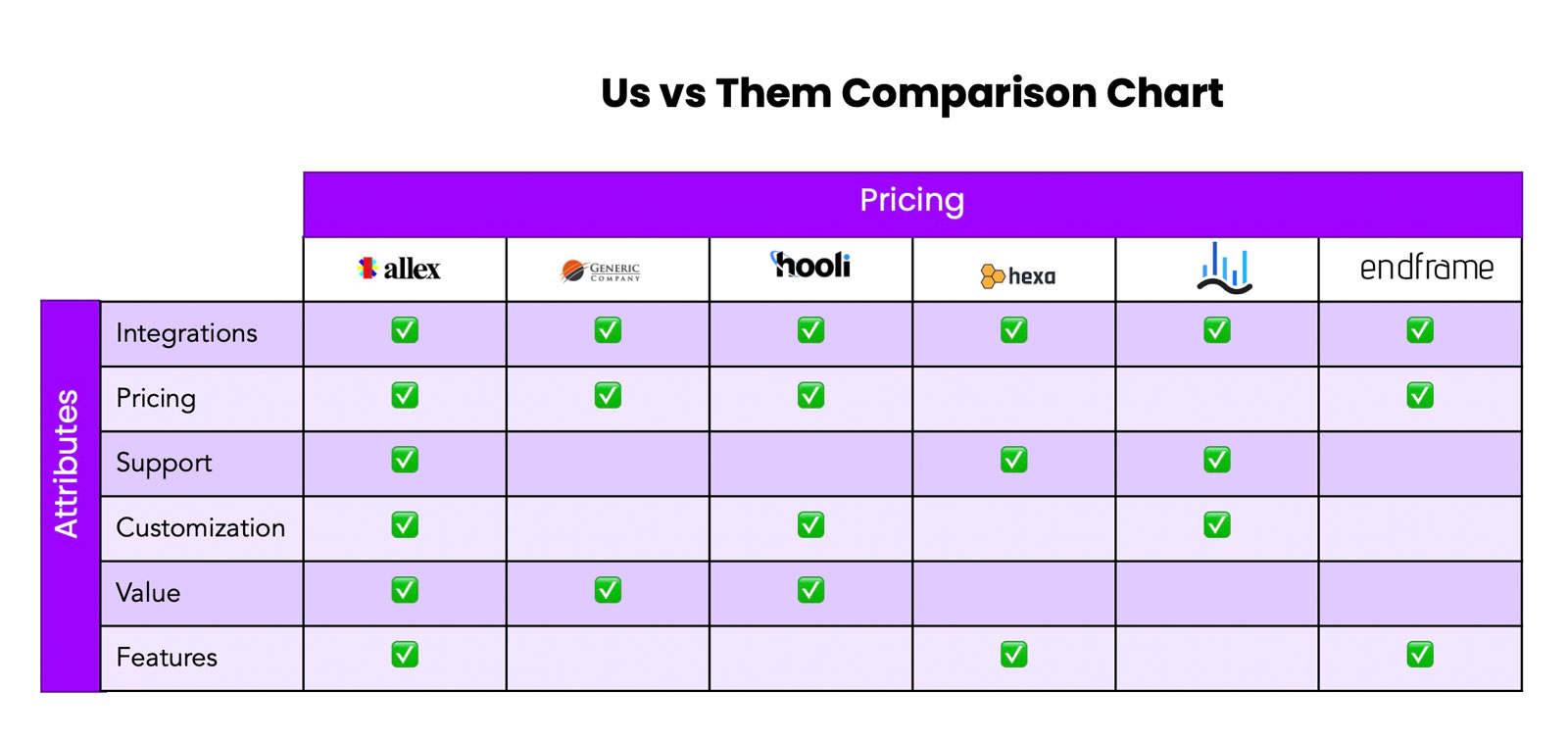
Once enough information is gathered, businesses often compare their competitors using competitive comparison charts like this. There are many ways to spy on a competitor but the intel doesn't really help if it's not distributed across the organization.
How to Deal with Business Competitors:
FAQs
Popular competitive analysis tools include SEMrush, Ahrefs, SimilarWeb, and BuzzSumo for digital marketing insights. There's also Crunchbase and CB Insights for financial and startup intelligence. With these tools, you can track competitor traffic, backlinks, content strategy, funding rounds, and more.
When you monitor competitors, you can stay informed about industry trends, anticipate market shifts. Then, you can adapt your strategies accordingly. Analyzing competitors' strengths and weaknesses, so you can identify gaps in your own offerings. You can also discover opportunities to differentiate and grow.
There are three main types: direct competitors (offering the same product or service to the same audience), indirect competitors (offering a different product or service that meets the same customer need), and replacement competitors (offering an alternative solution that can replace the need for your product altogether).
You should perform competitive analysis in an ongoing fashion. At a minimum, you should formally assess your competition quarterly or during major strategic planning sessions. But make sure to keep tabs on key developments like product launches, pricing changes, or marketing campaigns more frequently.