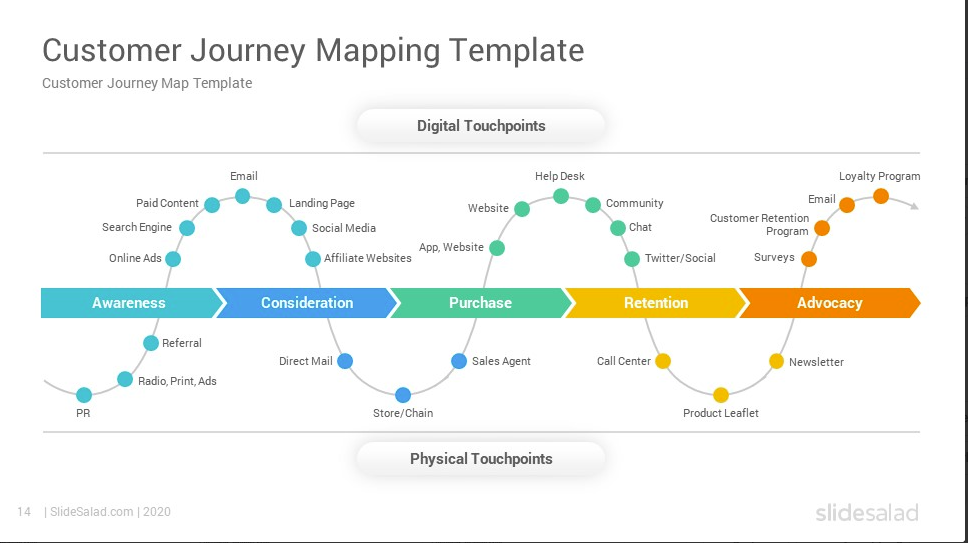
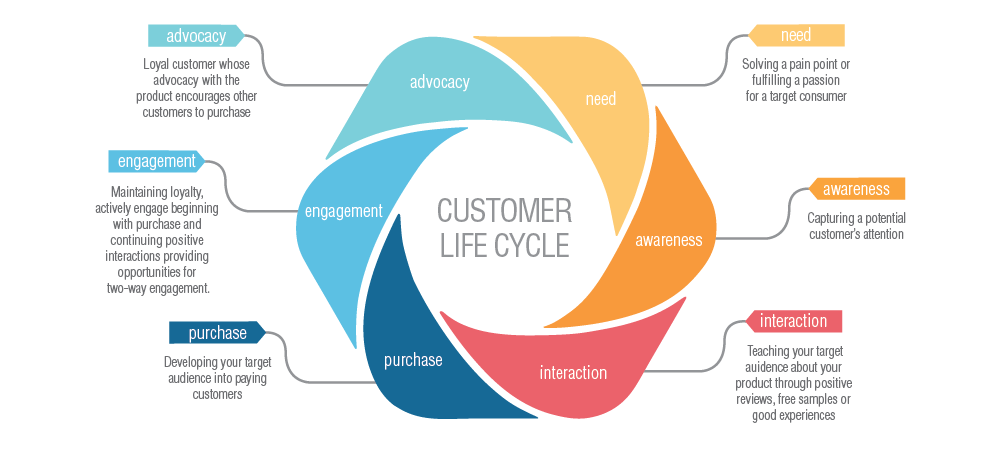
A conversion path is the series of events that a customer goes through on a website before making a purchase or filling out a contact form. The sequence for a conversion is designed (usually by the marketing team) to guide customers through the process as easily as possible.
Conversion paths will typically include the following steps:
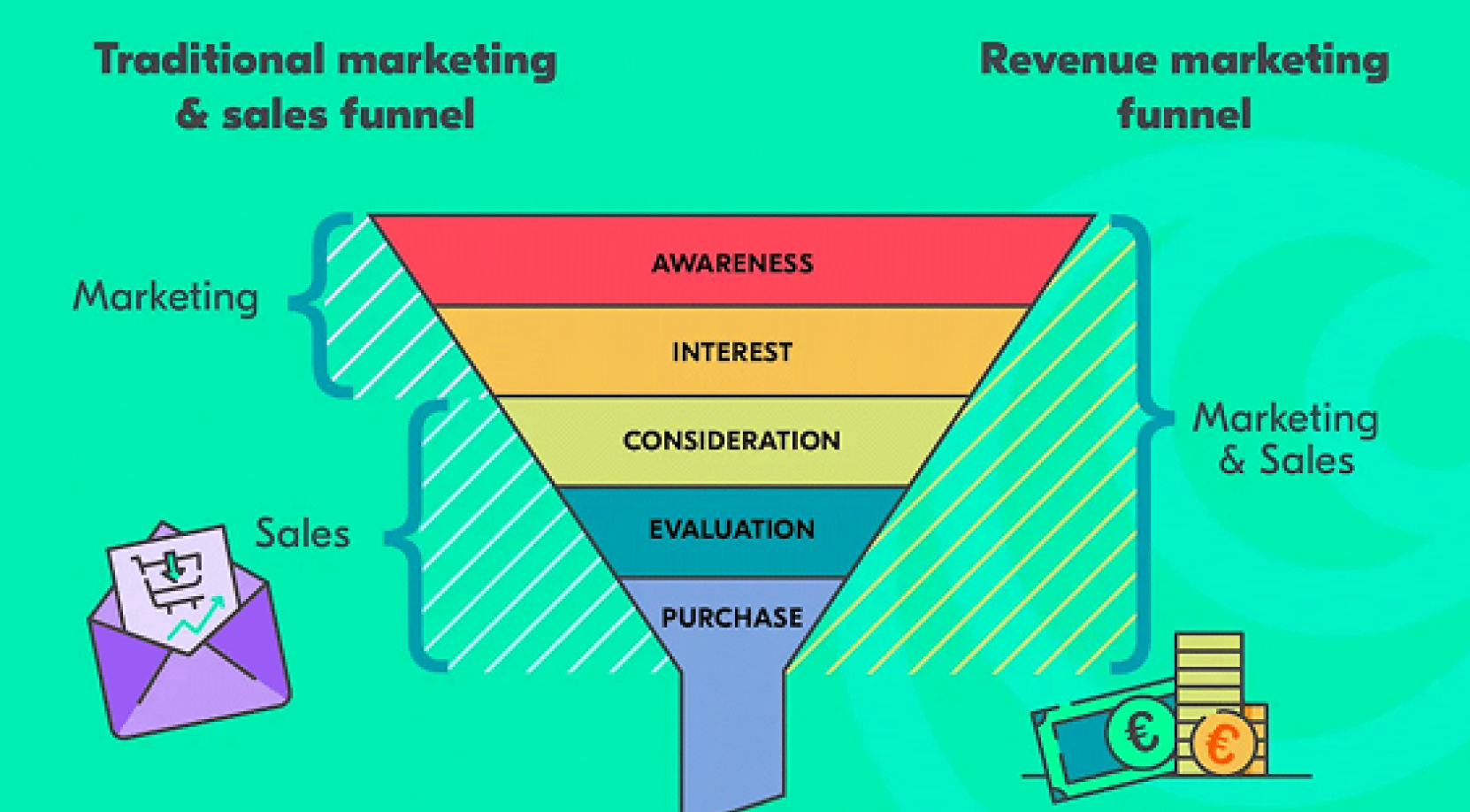
- Awareness: A website visitor becomes aware of the product through social media, search engine results, or paid ads.
- Interest: The customer expresses interest by visiting the product's website.
- Evaluation: The customer evaluates the product by reading descriptions, customer testimonials, and other details.
- Purchase: The customer completes a desired "conversion" action, such as filling out a form or making a purchase.
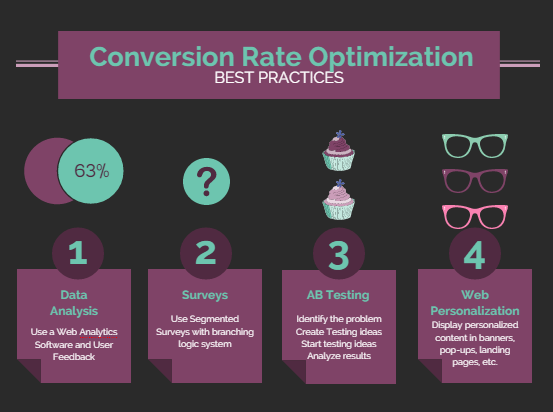
Conversion optimization is the process of refining the path to increase the number of customers. This is done by analyzing user behavior and identifying both positive and negative signals that led to a user converting or dropping out of the process. Common techniques include A/B testing, traffic analysis, heat maps, user research, and usability testing.

How to View Conversion Paths:
FAQs
Yes. When you personalize, you can significantly improve your conversion rates. Marketers use data like user location, browsing history. You can also use previous interactions to tailor messaging, content, and offers along the conversion path. This will help you make the journey more relevant and engaging for each visitor.
A well-designed conversion path will help your prospects take meaningful actions on a website. This can include making a purchase or submitting a contact form. When you streamline the steps and remove friction, you can increase the chances of turning visitors into leads or customers. Ultimately, you'll improve your return on investment (ROI).
Both represent the stages your customer moves through. But a conversion path refers specifically to the journey on a website that leads to a conversion. A sales funnel is broader. It often includes both online and offline touchpoints. And it encompasses the entire sales process from initial interest to closing the deal.
You can identify weak points through analytics tools that track user behavior. This includes bounce rates, exit pages, and session recordings. You can use techniques like heat maps, funnel visualization, and A/B testing. This will help you pinpoint where users drop off and test improvements to reduce friction.