A compensation plan should, as a minimum, cover everything that forms part of your employees’ remuneration such as salaries, bonuses, commission, stock options, and equity. It provides current and prospective employees with an overview of what a brand has to offer them and therefore plays an important role in attracting and retaining the best talent.
Compensation plans will typically also include non-monetary benefits such as periodic salary reviews, fringe benefits, health insurance, retirement investments, or, in the post-Covid age, flexible work hours and additional time off.
Competitive compensation plans that reward employees for their hard work and dedication can help to drive growth, with the most effective plans…
- Demonstrating a commitment to transparency and integrity
- Promoting a strong corporate culture
- Helping to attract and retain top talent
- Boosting employee motivation and loyalty
At a time when the so-called “Great Resignation” is wreaking havoc among HR and talent teams, adequate compensation is a tried-and-tested method that can be relied on.
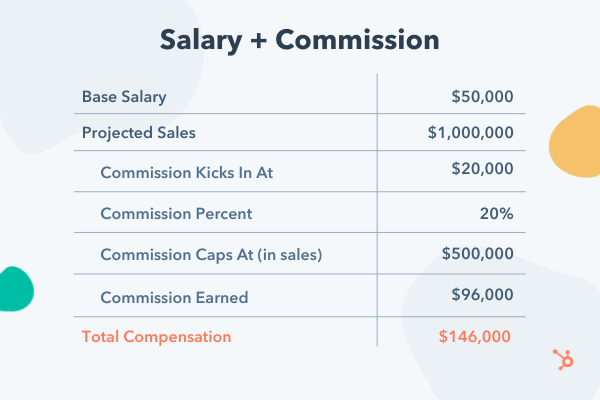
How to Design a Comp Plan:
FAQs
Sales goals and targets, roles and responsibilities, commission structures, performance metrics (e.g., revenue, quotas, margins), payout schedules, territory considerations, and alignment with overall brand objectives.
A compensation plan is a structured framework that outlines how sales representatives are compensated. It should include salary as a minimum but often includes additional rewards based on performance such as commissions, bonuses, incentives, or other forms of compensation.
A well-designed plan can motivate sales teams by aligning incentives with desired behaviors and outcomes, providing clarity on earning potential, fostering healthy competition, rewarding achievement, and promoting job satisfaction and loyalty.