Closed Lost

Share this post

In sales, closed lost is any situation where a prospect has formally declined to complete the sales process and make a purchase or sign up for a contract. It is the opposite of closed won, which is any situation where a deal has been successfully closed and a prospect becomes a customer.

Just as with closed-won, closed-lost is a term typically found in customer relationship management (CRM) tools like Salesforce. Here, marking prospects as closed lost gives sales teams a point of reference that they can use to access important information and metrics. Marking lost prospects as closed lost also prevents other problems such as overinflation of the sales funnel and inaccurate sales performance reports.

There are many reasons why a closed-lost situation might arise. Whether it’s simply a case of a prospect changing their mind or a more complex issue such as a decision-maker inside your organization deciding to terminate a deal, it’s important to record it.
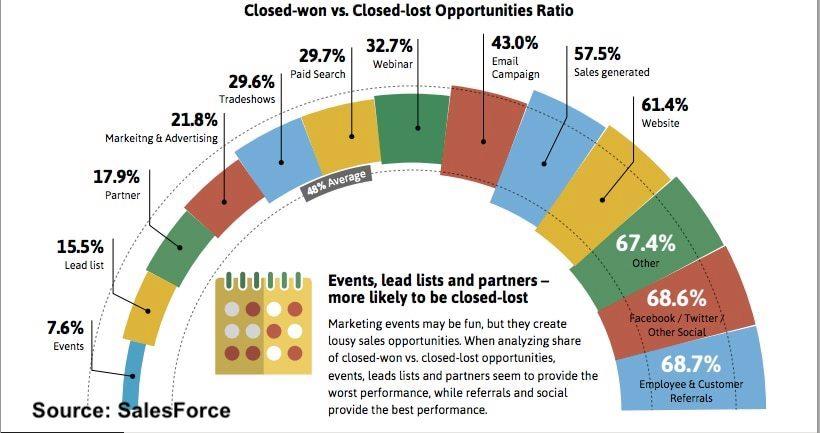
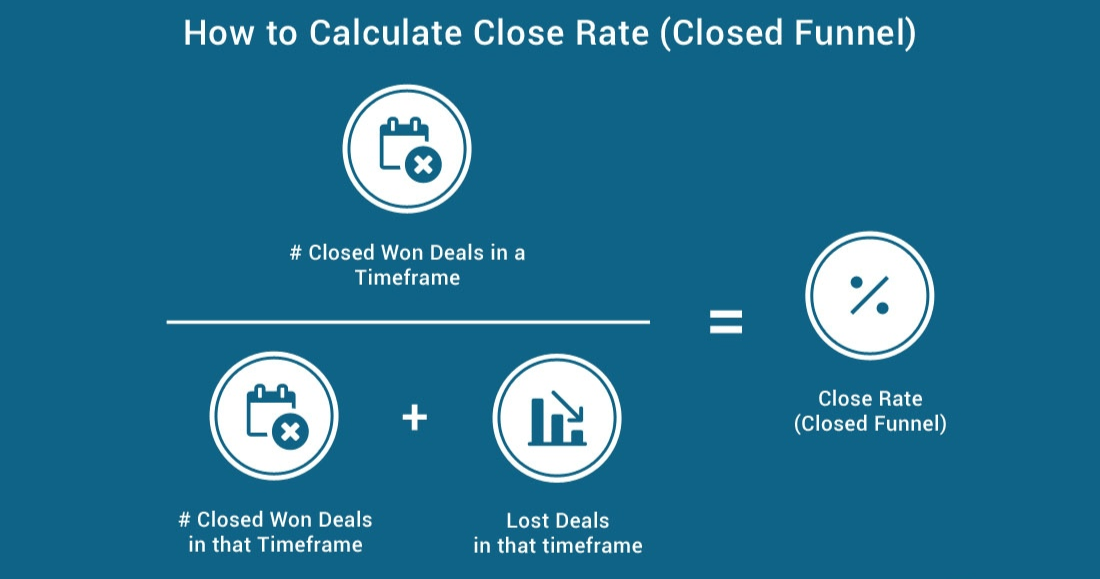
What does Closed Lost mean?
Source: SignalHire

Analyzing Closed Lost Deals

Of course, if you have to mark a prospect as closed lost in your CRM, it’s an opportunity. Yes, you lost the sale. But now you have so much material to learn from. Analyze the journey through the sales pipeline and see where there’s room for improvement.

You can break this analysis into categories:

  • Pricing objections
  • Timing issues
  • Poor product fit
  • Competition

Your CRM will likely offer you space to mark a reason code or make notes about the outcome. Then, you can use this data to create reports that highlight the most occurring reasons.

For example: if a lot of your deals are lost due to budget constraints, you’re either reaching out to the wrong prospects or you need to adjust your pricing. You might even just offer payment options instead of one upfront payment. The point is, you have data to work with.

Another reason to track your closed lost prospects is for future opportunities. Some of your closed lost prospects may come around later, after being disappointed by the competition or increasing their budgets.

To this end, consider keeping a “closed lost with potential” list as part of a strategy for nurturing leads over time. Check in a few months down the road through an email campaign or a quick text.

In the end, sales leaders can use closed lost lists in their win-loss analysis. The insights they gain there can help feel sales enablement efforts and prompt future training. Yes, closed lost might feel like a failure or a dead end, but in sales, as we know, everything, even closed lost, is an opportunity for future success.

Closed Lost Opportunity Explained:

FAQs

"Closed lost" refers to a sales opportunity or deal that was pursued but ultimately did not result in a successful sale. This might be due to budget constraints, competitive offerings, or mismatched needs.

In sales, closed-lost refers to going through the entire sales journey, which could last months or more, and having the prospect decide against the sales. A disqualified lead is a prospect who never makes it into the actual funnel. This is because the sales rep decides the prospect is not actually a good prospect.

Yes! You should always follow up with a prospect who has made it that far through your pipeline. Circumstances can change. Budgets can increase. A competitor can let the prospect down. Set yourself a reminder for every prospect marked as closed lost for a follow up text, email, or call.

Analyzing closed-lost opportunities helps identify where sales processes can be optimized, product positioning, objection handling, and customer feedback. Ultimately, this leads to better strategies for future sales efforts.

Steps may include conducting a post-lost analysis, capturing reasons for the loss, updating CRM data, nurturing relationships for potential future opportunities, and refining sales tactics based on insights gained.

Related Articles

Previous Article
No previous post!
Check out our Directory
Next Article
No next post!
Check out our Directory
Account-based Marketing (ABM)

Account-based Marketing (ABM)

August 15, 2022
Annual Recurring Revenue (ARR)

Annual Recurring Revenue (ARR)

August 15, 2022
Average Contract Value (ACV)

Average Contract Value (ACV)

August 15, 2022
Bottom of the Funnel (BOFU)

Bottom of the Funnel (BOFU)

August 15, 2022
Top of the Funnel (TOFU)

Top of the Funnel (TOFU)

August 15, 2022
Sales Development Representative (SDR)

Sales Development Representative (SDR)

August 15, 2022
Business Development Representative (BDR)

Business Development Representative (BDR)

August 15, 2022
Closed Lost

Closed Lost

August 15, 2022
Closed Won

Closed Won

August 15, 2022
Inbound Marketing

Inbound Marketing

August 15, 2022
Sales Enablement

Sales Enablement

August 15, 2022
Demand-Generation

Demand-Generation

August 15, 2022
Drip Campaign

Drip Campaign

August 15, 2022
Inbound Sales

Inbound Sales

August 15, 2022
Sales Qualified Lead

Sales Qualified Lead

August 15, 2022
On Target Earnings (OTE)

On Target Earnings (OTE)

August 15, 2022
Outbound Sales

Outbound Sales

August 15, 2022
Sales Automation

Sales Automation

August 15, 2022
Sales Kickoff (SKO)

Sales Kickoff (SKO)

August 15, 2022
Sales Productivity

Sales Productivity

August 15, 2022
SalesForce Admin

SalesForce Admin

August 15, 2022
Spiff (Sales Program Incentive Funds)

Spiff (Sales Program Incentive Funds)

August 15, 2022
Statement of Work (SOW)

Statement of Work (SOW)

August 15, 2022
Total Addressable Market (TAM)

Total Addressable Market (TAM)

August 15, 2022
Unique Selling Point (USP)

Unique Selling Point (USP)

August 15, 2022
MEDDIC Sales Methodology

MEDDIC Sales Methodology

August 15, 2022
Objection Handling

Objection Handling

August 15, 2022
Smarketing

Smarketing

August 15, 2022
Social Selling

Social Selling

August 15, 2022
GTM Strategy

GTM Strategy

August 15, 2022
Bad Leads

Bad Leads

August 15, 2022
Monthly Recurring Revenue (MRR)

Monthly Recurring Revenue (MRR)

August 15, 2022
Weighted Pipeline

Weighted Pipeline

August 15, 2022
Call to Action (CTA)

Call to Action (CTA)

August 15, 2022
Audience Segmentation

Audience Segmentation

August 15, 2022
Conversational Marketing

Conversational Marketing

August 15, 2022
Marketing Operations (MarkOps)

Marketing Operations (MarkOps)

August 15, 2022
Marketing Technology (MarTech)

Marketing Technology (MarTech)

August 15, 2022
Conversion Rate Optimization (CRO)

Conversion Rate Optimization (CRO)

August 15, 2022
Chief Revenue Officer

Chief Revenue Officer

August 15, 2022
Retargeting

Retargeting

August 15, 2022
Sales Funnel

Sales Funnel

August 15, 2022
Channel Partners

Channel Partners

August 15, 2022
Sales Hit Rate

Sales Hit Rate

August 23, 2022
Sales Quota

Sales Quota

August 23, 2022
Value Proposition

Value Proposition

August 23, 2022
What is Zoho?

What is Zoho?

August 23, 2022
What is Jira?

What is Jira?

August 23, 2022
Year-over-Year (YoY) Growth

Year-over-Year (YoY) Growth

August 23, 2022
Expansion ARR

Expansion ARR

August 24, 2022
Sales Forecast

Sales Forecast

September 1, 2022
Lead Scoring

Lead Scoring

September 1, 2022
Revenue Operations (RevOps)

Revenue Operations (RevOps)

September 1, 2022
Marketing Automation

Marketing Automation

September 1, 2022
Market Intelligence

Market Intelligence

September 1, 2022
Product-Market Fit (PMF)

Product-Market Fit (PMF)

December 5, 2022
Lifetime Value (LTV)

Lifetime Value (LTV)

December 5, 2022
Net Promoter Score (NPS)

Net Promoter Score (NPS)

December 5, 2022
Service Level Agreement (SLA)

Service Level Agreement (SLA)

December 5, 2022
Startup Runway

Startup Runway

December 5, 2022
Total Contract Value (TCV)

Total Contract Value (TCV)

December 5, 2022
Compound Annual Growth Rate (CAGR)

Compound Annual Growth Rate (CAGR)

December 5, 2022
Deferred Revenue

Deferred Revenue

December 5, 2022
Remaining Performance Obligation (RPO)

Remaining Performance Obligation (RPO)

December 5, 2022
Sales Pipeline Coverage

Sales Pipeline Coverage

December 5, 2022
Sales Engineer

Sales Engineer

December 5, 2022
Time to Value (TTV)

Time to Value (TTV)

December 5, 2022
Daily Active User DAU

Daily Active User DAU

December 5, 2022
Monthly Active User MAU

Monthly Active User MAU

December 5, 2022
Sales Decision Maker

Sales Decision Maker

December 5, 2022
What is a Competitor?

What is a Competitor?

January 9, 2023
BANT

BANT

January 12, 2023
GPCTBA/C&I

GPCTBA/C&I

January 12, 2023
Loss Leader

Loss Leader

January 12, 2023
Product-led Growth (PLG)

Product-led Growth (PLG)

January 12, 2023
Revenue Marketing

Revenue Marketing

January 12, 2023
Net Dollar Retention (NDR)

Net Dollar Retention (NDR)

January 12, 2023
Revenue Per Employee (RPE)

Revenue Per Employee (RPE)

January 12, 2023
Reduction in Workforce (RIF)

Reduction in Workforce (RIF)

January 12, 2023
Top Down Sales Strategy

Top Down Sales Strategy

January 12, 2023
Value Based Pricing

Value Based Pricing

January 12, 2023
Sales-Led GTM

Sales-Led GTM

January 12, 2023
Customer Relationship Management (CRM)

Customer Relationship Management (CRM)

February 2, 2023
Nurture Stream

Nurture Stream

February 2, 2023
Customer Churn

Customer Churn

February 2, 2023
Customer Success Manager

Customer Success Manager

February 2, 2023
Marketing Qualified Lead (MQL)

Marketing Qualified Lead (MQL)

February 2, 2023
Ideal Customer Profile

Ideal Customer Profile

February 14, 2023
What is a BAFO

What is a BAFO

November 28, 2023
Lead Generation

Lead Generation

December 18, 2023
Upselling

Upselling

December 18, 2023
Cross-Selling

Cross-Selling

December 18, 2023
SPIN Selling

SPIN Selling

December 18, 2023
Objection Prevention

Objection Prevention

December 18, 2023
Renewal Rate

Renewal Rate

December 18, 2023
Customer Journey Mapping

Customer Journey Mapping

December 18, 2023
Revenue Attribution

Revenue Attribution

December 18, 2023
Revenue Retention

Revenue Retention

December 18, 2023
Sales Velocity

Sales Velocity

December 28, 2023
Win/Loss Analysis

Win/Loss Analysis

December 28, 2023