Market intelligence (MI) is the process of analyzing information about a company’s market landscape. This may include a company’s competitors, customers, market trends, economic indicators, and other elements about a particular industry.
MI is closely related to competitive intelligence but adds a layer of depth about the customer landscape. Strong MI can help businesses decide where they should focus their resources and what outcomes they can expect.
A thorough, up-to-date market intelligence report can help a business compete in its sector. For example, understanding what your customers are looking for can allow you to shape marketing strategies, product messages, and promotional offers. Understanding what your competitors are doing can allow you to differentiate your products and services better so that you stand out from the crowd.
The types of market intelligence data collected can include customer demographics, feedback surveys, consumer trends, product pricing, spending habits, seasonal patterns, sales figures, 3rd party analyst research, and much more.
Market intelligence can be gathered from first-party sources. For instance, direct conversations with buyers in a marketplace can be a great source of information about why they prefer certain products and how they make buying decisions.
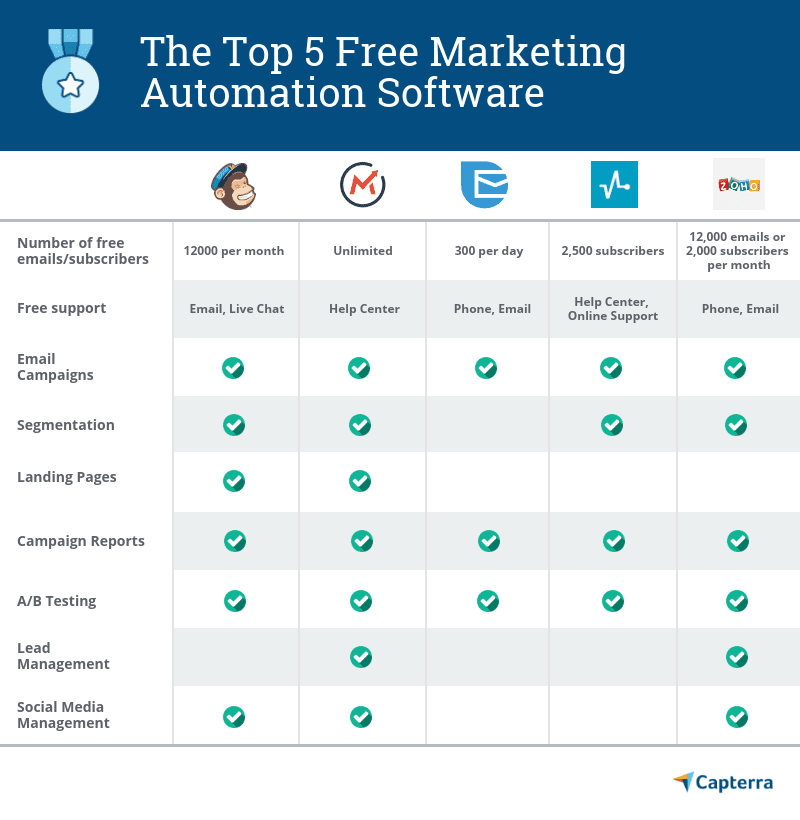
Examples of Market Intelligence tools:

An Overview of Market Intelligence Software :
FAQs
Ideally, you should update your market intelligence continuously, especially in fast-moving industries like tech or finance. At the very least, businesses should review and refresh their MI reports once a quarter, so they can stay responsive to market shifts, new competitors, and changing customer behavior.
You can gather market intelligence through surveys, interviews, focus groups, social media monitoring, website analytics, industry reports, and competitive analysis. Many companies also use third-party data providers or software platforms to compile and analyze MI data efficiently.
It's most commonly used by marketing teams to shape their messaging and campaigns. Sales teams can use it to tailor their pitches. Product teams can use it to help them with their roadmaps. And executives use it to guide strategic planning. In some companies, you'll find a dedicated analyst or competitive intelligence team that's responsible for managing and distributing MI.
While both aim to support strategic decision-making, market intelligence focuses on external factors like competitors, customers, and market trends. Business intelligence, in contrast, focuses on internal data like sales performance, operations, and financial metrics. Together, they provide a 360-degree view of a business's performance and opportunities.