Buying intent, also called purchase intent, estimates how close a prospect is to converting and becoming a customer based on their actions, behaviors, and level of engagement.
If, for example, a prospect visits an online store and spends their time looking at a specific product, adds it to their cart, or frequently visits the same page, this signals a very high level of interest and a strong possibility that they will eventually buy. It’s not just about their browsing activity but the steps they’ve taken to indicate they’re considering a purchase.
Understanding the customer’s intentions puts revenue teams in a position to optimize their sales and marketing efforts and nurture leads who are likely to convert.
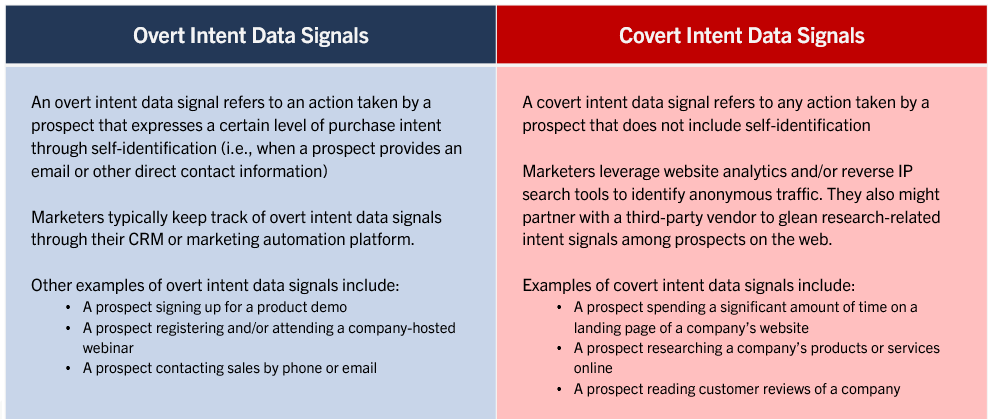
This data can be gathered from first-party sources. These can include your CRM systems or websites. Or, this could come from third-party providers that will help you track broader behavior across the entire internet. High buying intent usually correlates with deeper engagement. This could be downloading product guides, attending webinars, or requesting a demo.
When used appropriately, these insights will help you drive segmentation, campaign timing, and conversion rates.
Buying Intent in Sales:
FAQs
Buying intent refers to the likelihood or readiness of a potential customer to make a purchase or take a specific action related to buying a product or service based on their actions, behaviors, and level of engagement.
Some popular tools can help you track it and interpret your results. These include: Bombora, 6sense, Leadfeeder, and Demandbase. These platforms aggregate behavioral data and use AI to score leads. This information helps you understand the probability that consumers will become paying customers.
Understanding the customer's intention helps sales and marketing teams tailor their marketing messages, offers, and sales strategies to effectively engage and nurture leads who are likely to convert.
Brands can identify intent by analyzing customer behavior such as website visits, engagement with marketing materials, interactions with sales representatives, and responses to targeted promotions.