A business development representative (BDR) is the person responsible for generating new business opportunities in an organization. The BDR will usually be a sales representative who focuses on generating new, qualified prospects by using tactics including networking, cold email, and social selling. After identifying a potential lead, the BDR will approach them to proactively move the sales conversation forward.
A BDR will not usually focus on inbound leads, i.e., leads that have been engaged by the content or other marketing collateral that an organization publishes. This is because converting qualified prospects and engaged inbound leads falls under the remit of a sales development representative (SDR) and the wider sales team.
A BDR is a critical part of any organization and can be the key to generating more qualified prospects through careful prospecting and lead nurturing. You can think of BDRs as the people on the “front line” who help to generate interest in your product or service from people who didn’t know about it or realize that they have a need for it.

What is a BDR?
FAQs for Business Development Representative
FAQs
BDRs play a foundational role in the sales pipeline by identifying and qualifying leads that would otherwise be missed. Their outbound efforts help generate interest among cold audiences, opening doors to new market segments and driving early-stage opportunities. Without BDRs, sales teams might waste time chasing poor-fit leads or have an inconsistent flow of new prospects, making BDRs essential for predictable pipeline growth and long-term revenue expansion.
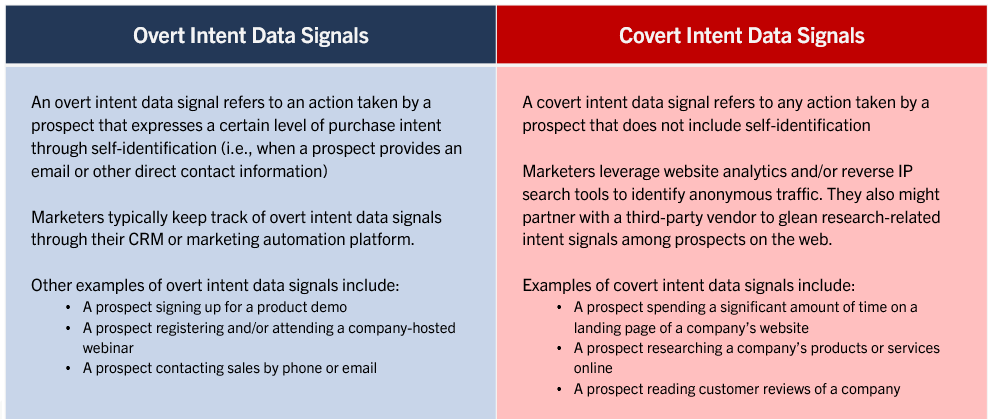
While both Business Development Representatives (BDRs) and Sales Development Representatives (SDRs) focus on lead generation, the key difference lies in the type of leads they handle. BDRs focus on outbound prospecting: cold calling, cold emailing, and social selling to engage people who may not yet know about the product. In contrast, SDRs typically handle inbound leads who have already shown interest by engaging with content, attending webinars, or filling out forms. BDRs start the conversation; SDRs continue it.
Strong communication, persistence, and research abilities are essential. A successful BDR must be able to identify potential prospects, craft compelling outreach messages, and handle rejection without losing motivation. Familiarity with CRM tools, LinkedIn Sales Navigator, and sales enablement platforms is also valuable. Empathy and curiosity are often underrated but critical traits. They help BDRs tailor their pitch and build authentic connections.