Sales performance management (SPM) is a data-led process for planning, managing, and analyzing the performance of the sales function. According to Gartner, SPM “comprises tools and process functions that automate and unite back-office sales processes. It’s implemented to improve sales execution and operational efficiency.”
A robust SPM strategy can therefore help brands to increase revenue and enable long-term growth, particularly in markets where there are lots of competitors and alternatives to their products and services.
As a data-led process, SPM will typically leverage technology and software to empower sales teams to accelerate their digital transformation efforts and become more agile. This is achieved by facilitating collaboration, automating sales processes, and improving sales outcomes by providing real-time insights.
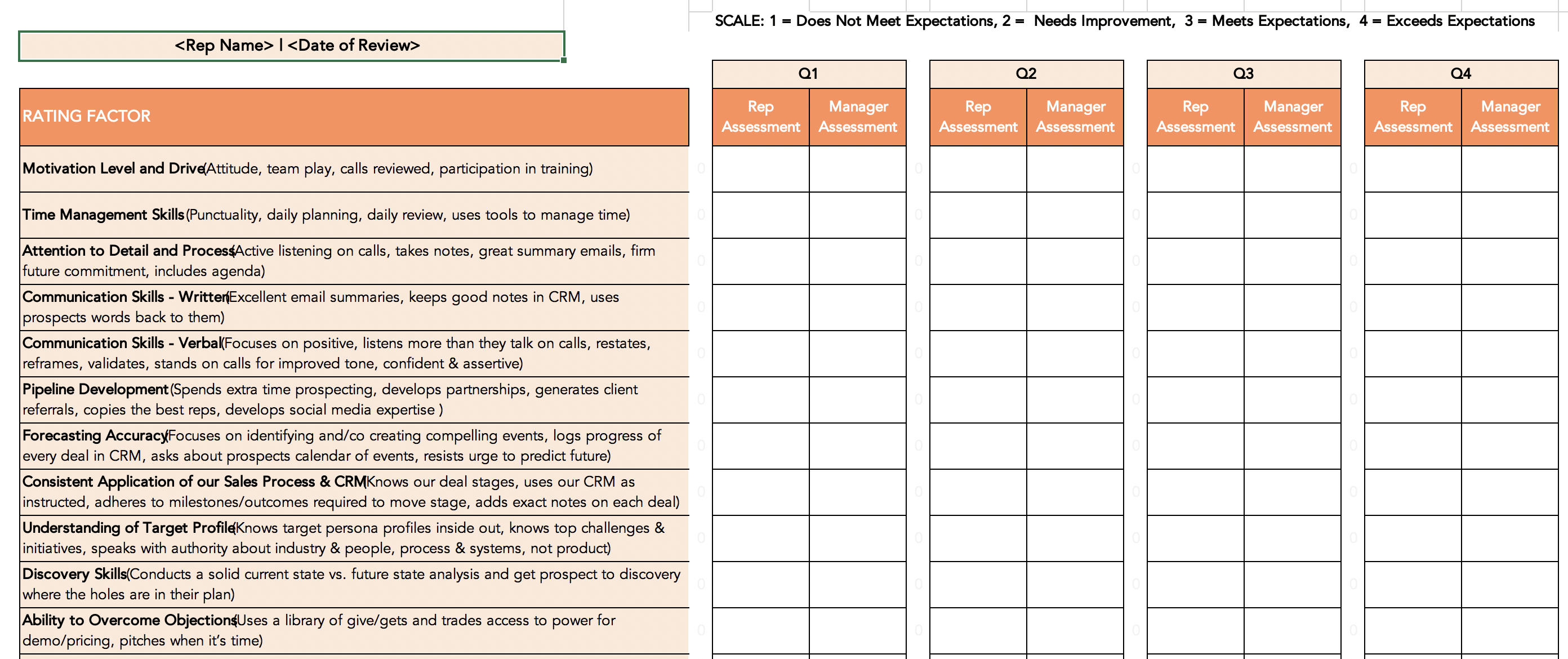
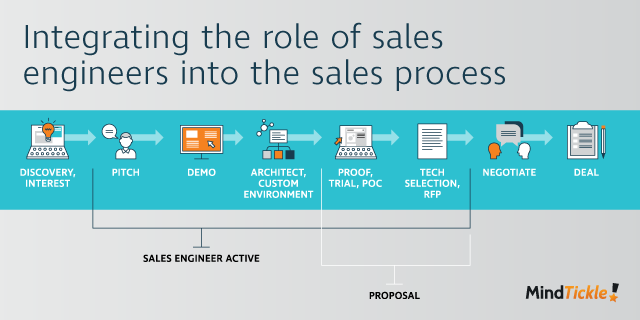
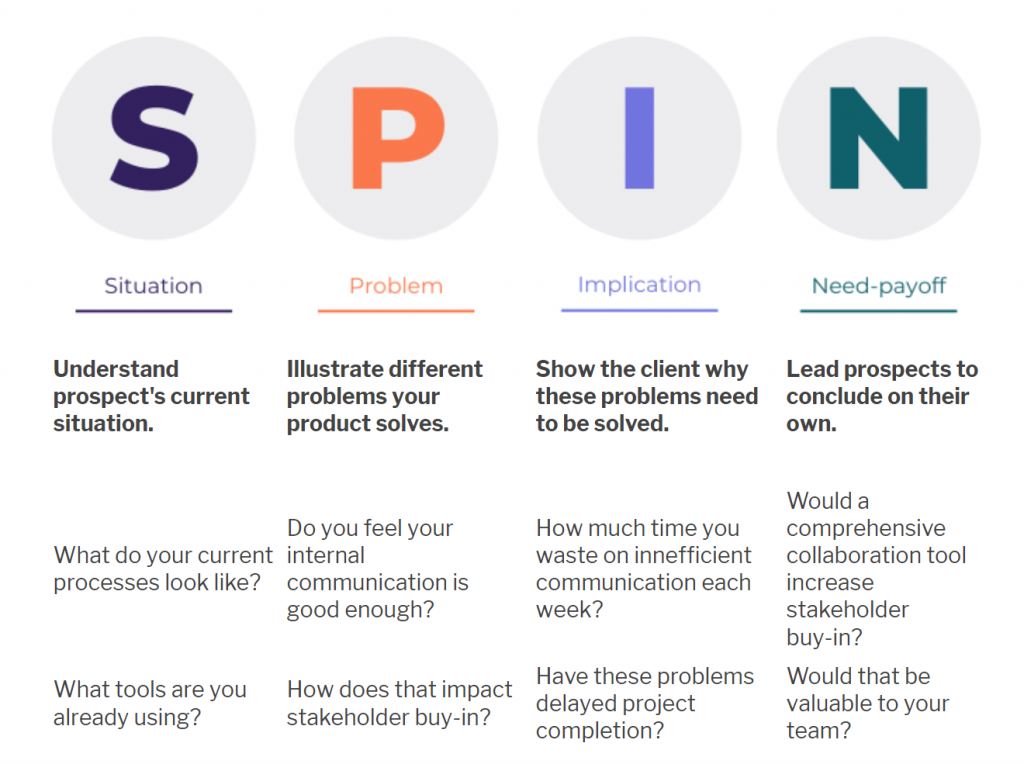
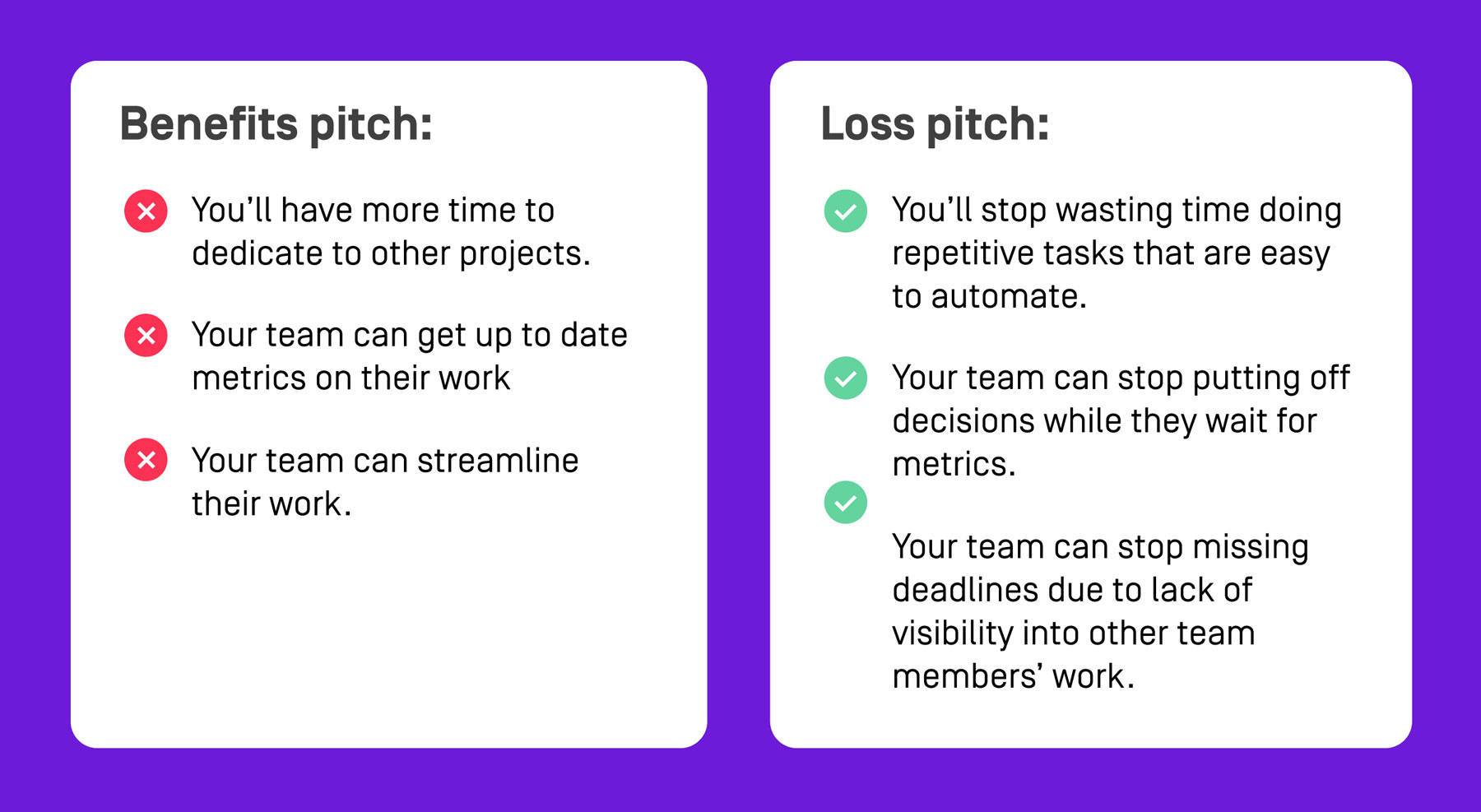
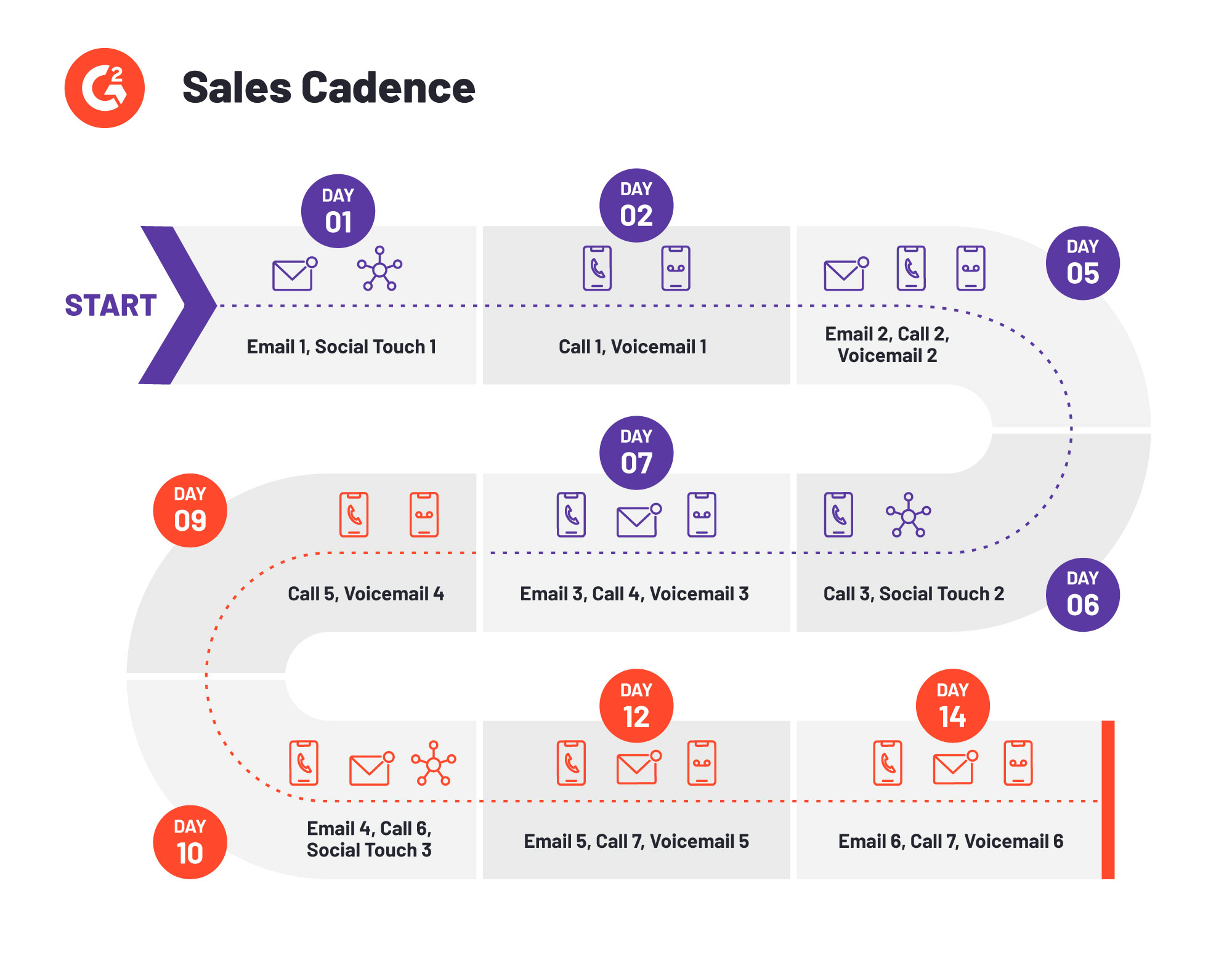
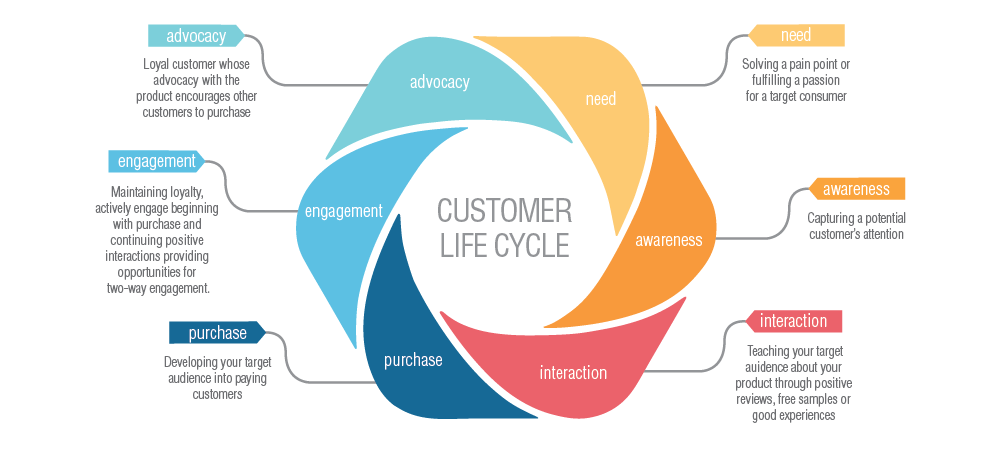
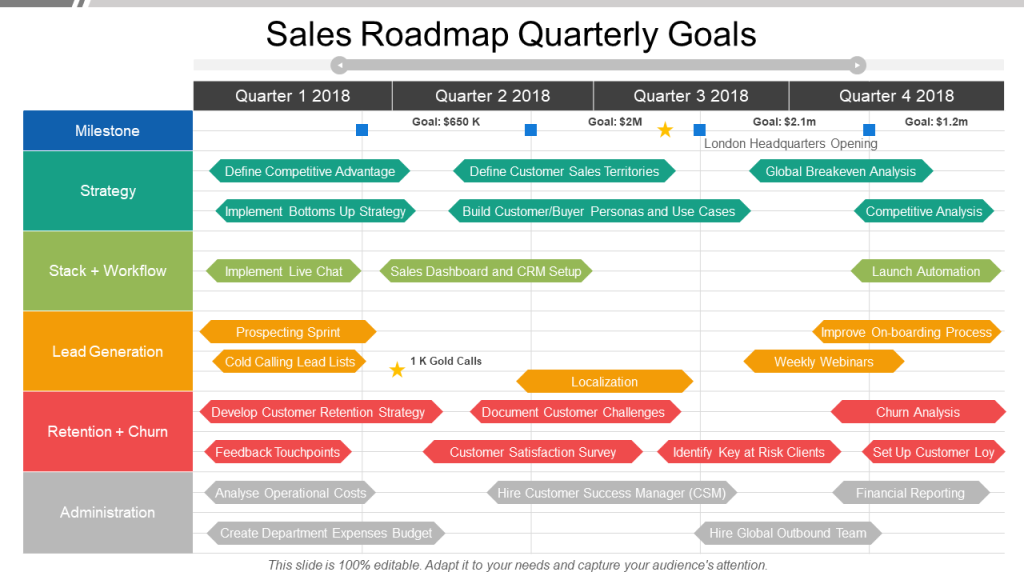
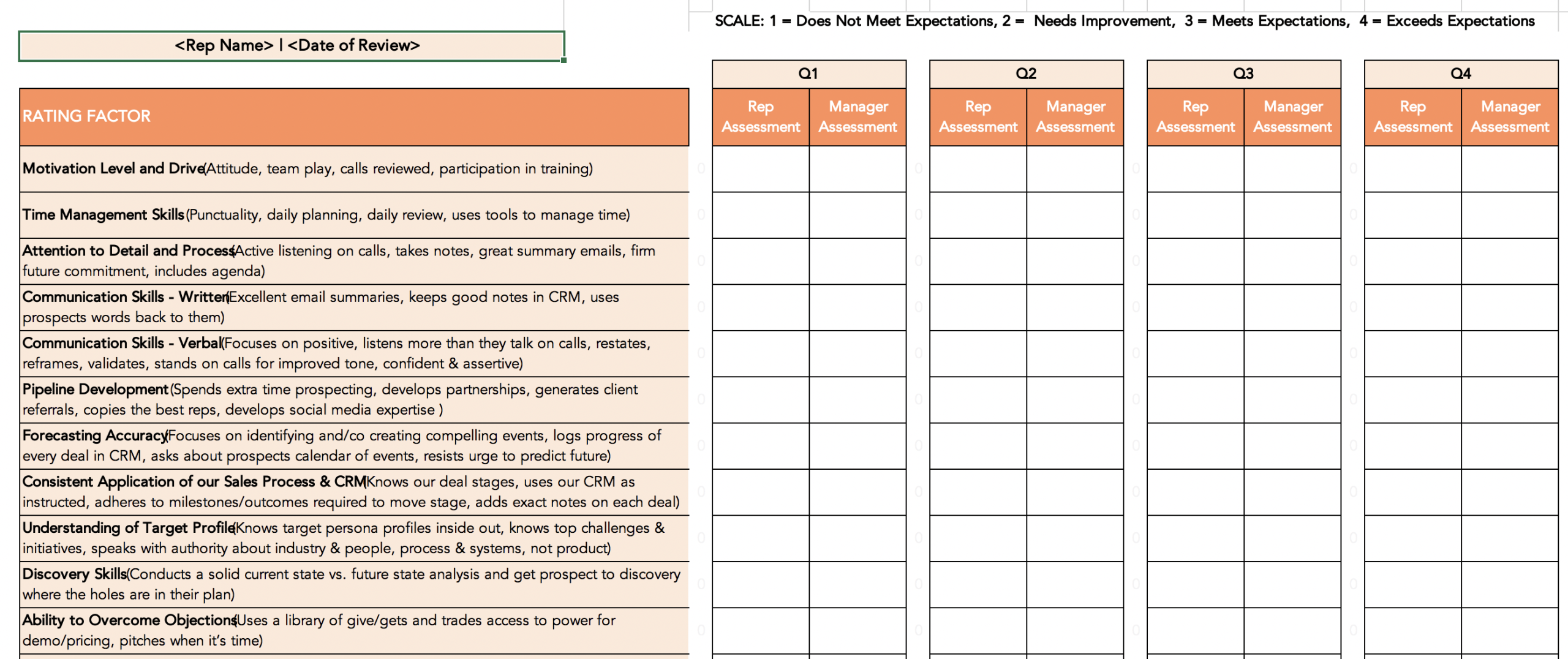
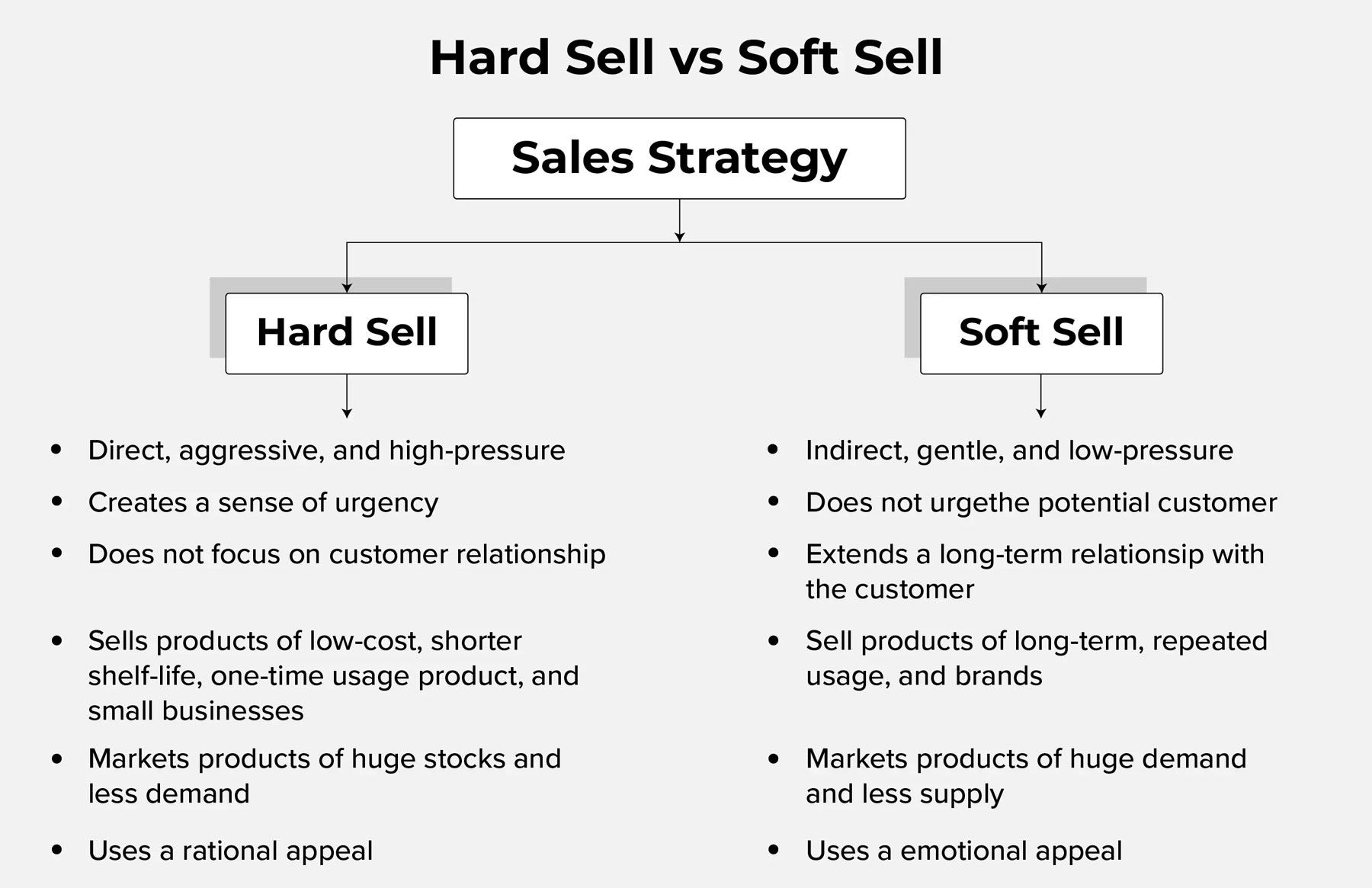
Examples of Sales Performance Management:
FAQs
A successful SPM strategy usually includes sales planning, incentive compensation management, performance analytics, and territory and quota management. These elements all work together to align your sales activities with your business goals, reward high performance, and optimize resource allocation across teams.
CRM systems focus on managing customer interactions and data. SPM, in contrast, optimizes internal sales processes and performance. The two can (and often should) integrate. But SPM goes deeper into compensation modeling, performance metrics, and strategic planning that CRMs don't usually address.
SPM software automates time-consuming administrative tasks like tracking quotas, managing commissions, and generating performance reports. This frees up your sales reps to focus on selling while also giving managers real-time visibility into what's working and what's not. This makes it easier for sales reps to make quicker, data-driven decisions.
Not at all! It's true that large organizations often adopt SPM platforms to manage complex sales operations. But small and mid-sized businesses can also benefit from SPM tools. Even the most basic implementations can help standardize your processes, increase your accountability, and drive consistent sales performance.