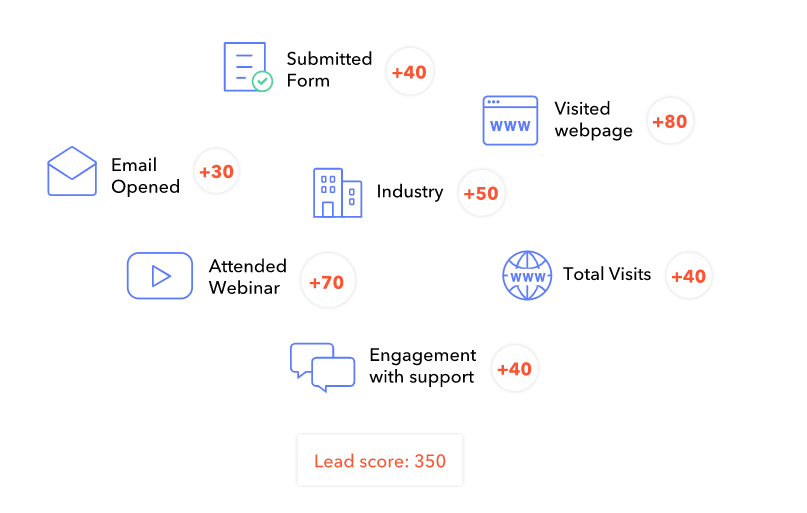
Lead scoring is a method used by sales and marketing teams to determine the worthiness of leads (prospects) and identify those that hold the most value. This is achieved by attaching values to leads based on their behavior relating to their interest in a product or service and/or their interactions with a business or brand.
The term “value” in this sense will vary between businesses, but it is generally considered to reflect the level of interest shown or their current position in the sales funnel. Value might also be determined by using information such as a lead’s occupation and their role within an industry, their personal interests, their income, and any relevant demographics. Lead scoring is in CRM software to segment customer lists and sales cadences.
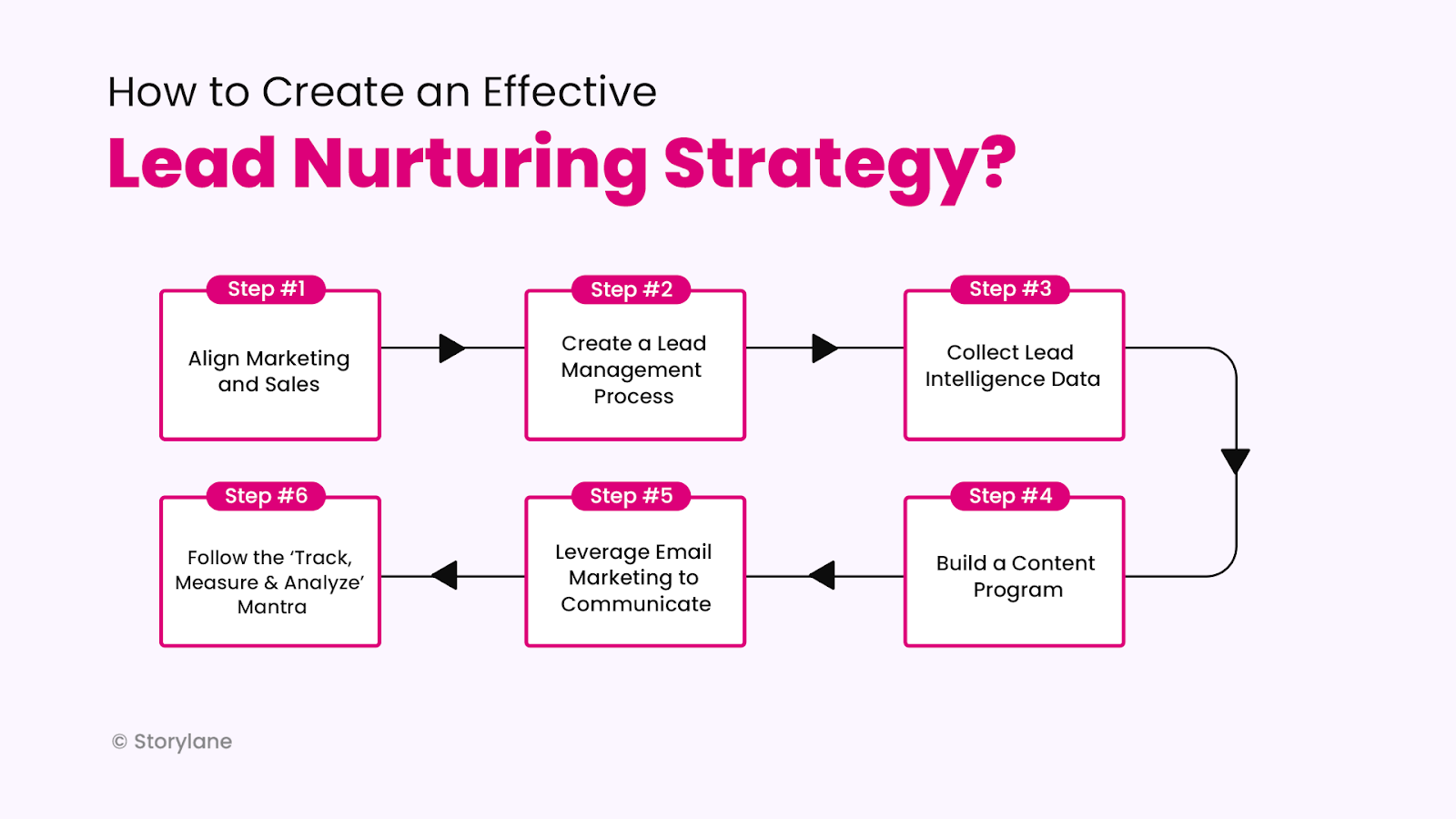
Leads that are scored highly, i.e., those that are an ideal fit for a product or service and have demonstrated a high level of interest, are deemed to be marketing qualified leadsand will usually be passed to sales teams. Meanwhile, leads with a lower score might be deemed a good fit and passed to marketing teams for lead nurturing while those with the lowest score are deemed unsuitable and written off.
Lead Scoring Explained:
FAQs
An MQL is a lead that has shown enough interest to be passed from marketing to sales. This usually happens when the prospects have been engaging with content or filling out forms. An SQL is further along in the sales funnel. This is someone who has been vetted by your sales team as having real potential to become a customer. It usually comes after a deep conversation or interaction.
Lead scoring typically uses both demographic and behavioral data. Demographic criteria can include job title, company size, or location. Behavioral criteria, in contrast, can include email engagement, website visits, social media interactions, or content downloads. You can customize criteria based on what you find signals your buyer's intent most clearly.
Yes! Most CRM platforms will now allow for automated lead scoring. These systems will assign points based on your predefined rules and behaviors. So your teams won't have to manually evaluate each prospect. That way, they can respond quickly to high-value leads.
It helps prioritize leads, so your sales teams can focus on prospects who are most likely to convert. It also allows your marketing teams to nurture lower-scoring leads more effectively. This will improve your overall conversion rates and reduce any wasted effort your teams have been putting in.