Lead management is a sales and marketing process that works in tandem with lead generation to acquire and manage leads (also known as prospects) with the goal of eventually converting them into customers.
A lead is any person who you have reason to believe might be interested in your brand and could, with the right approach, be converted into a paying customer in the future. Providing these leads with the information that they need to continue their journey through the sales funnel is the main objective of lead management.
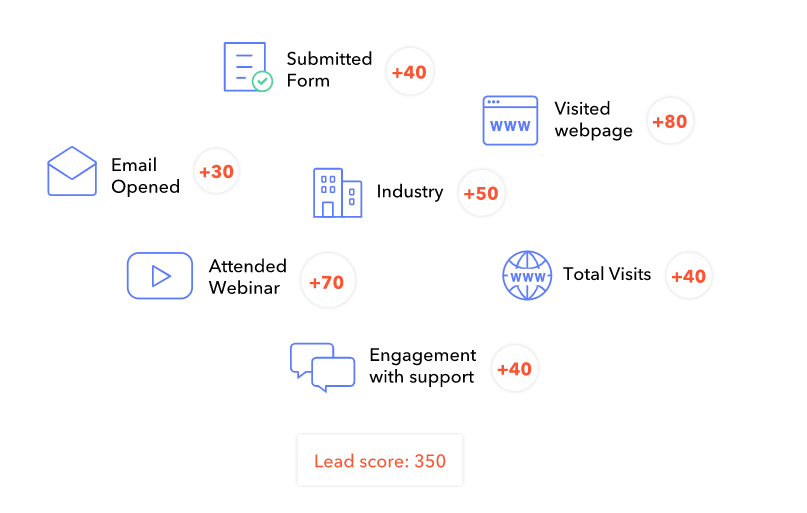
It’s also the role of lead management to ensure that any and all available data on leads is collected and analyzed so that revenue teams can make informed decisions and focus their attention on those who are likely to convert. Having a clear overview of lead data also puts revenue teams in the best possible position to feed leads the right messaging based on their persona.
Revenue teams typically make use of CRMs and other centralized platforms to handle lead management.

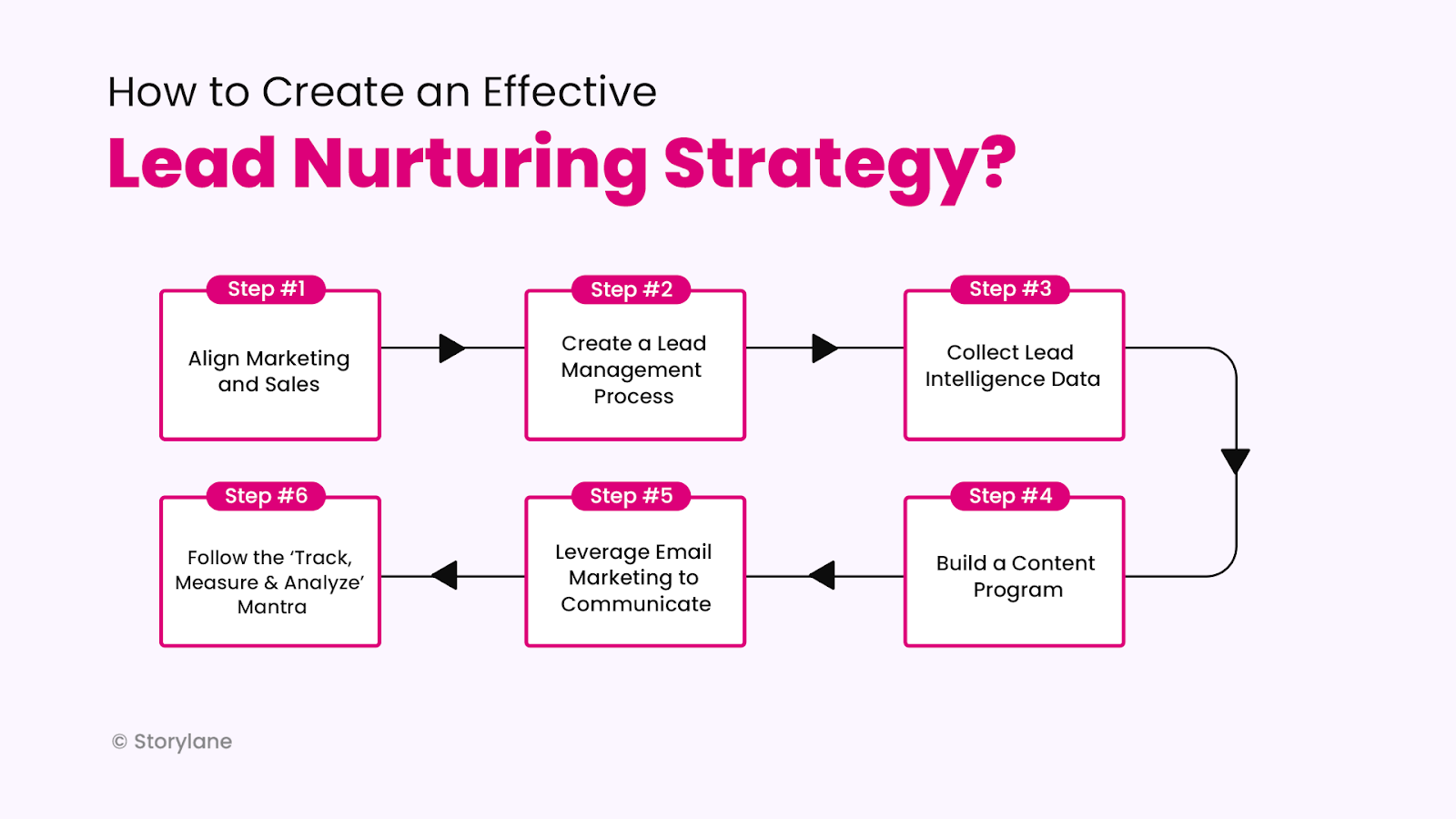
Lead Management Strategies:
FAQs
Lead generation is attracting and capturing the interest of potential customers. Lead management focuses on organizing, nurturing, and converting those leads once they've entered your pipeline. Basically, lead generation gets the leads in the door, and lead management walks them through the sales funnel.
Customer Relationship Management (CRM) platforms centralize lead data, automate follow-ups, and give you visibility into lead status and activity history. This way, your sales and marketing teams can collaborate, track progress, and make sure good opportunities don't fall through the cracks.
Lead management helps sales teams prioritize their efforts, personalize their outreach, and improve their conversion rates. When you track where leads are in the funnel and understand their behaviors, your team can focus on high-potential prospects and engage with the right message at the right time.
Common challenges include poor data quality, lack of alignment between sales and marketing, slow response times, and using outdated or siloed systems. These issues can find you missing opportunities and inefficiencies if you don't address them with a unified lead management strategy.