A Performance Improvement Plan (PIP) is a program that outlines specific steps that an employee must take to improve their job performance. For example, a PIP may be assigned to a sales rep who has not met quota or needs help in reaching their full potential.
When an employee is not meeting expectations, a manager will typically inform them that they are now on a PIP and outline the specific elements assigned to them:
- Employee goals and objectives:
The plan should outline specific areas where the employee can improve and measurable goals that will be tracked. - Timeline:
The plan provides a timeframe for the employee to achieve the goals outlined in their plan. - Action steps:
Specific steps the employee should take to improve their performance. These may include increased output, training, mentorship or coaching. - Regular reviews:
The plan will include regular meetings between the employee and their manager to track progress and make adjustments as needed.
The goal of the PIP is to help a struggling employee realize their full potential. Rather than waiting for an employee to fail and be let go, the PIP is a proactive approach that aims to address performance and achieve a positive outcome.
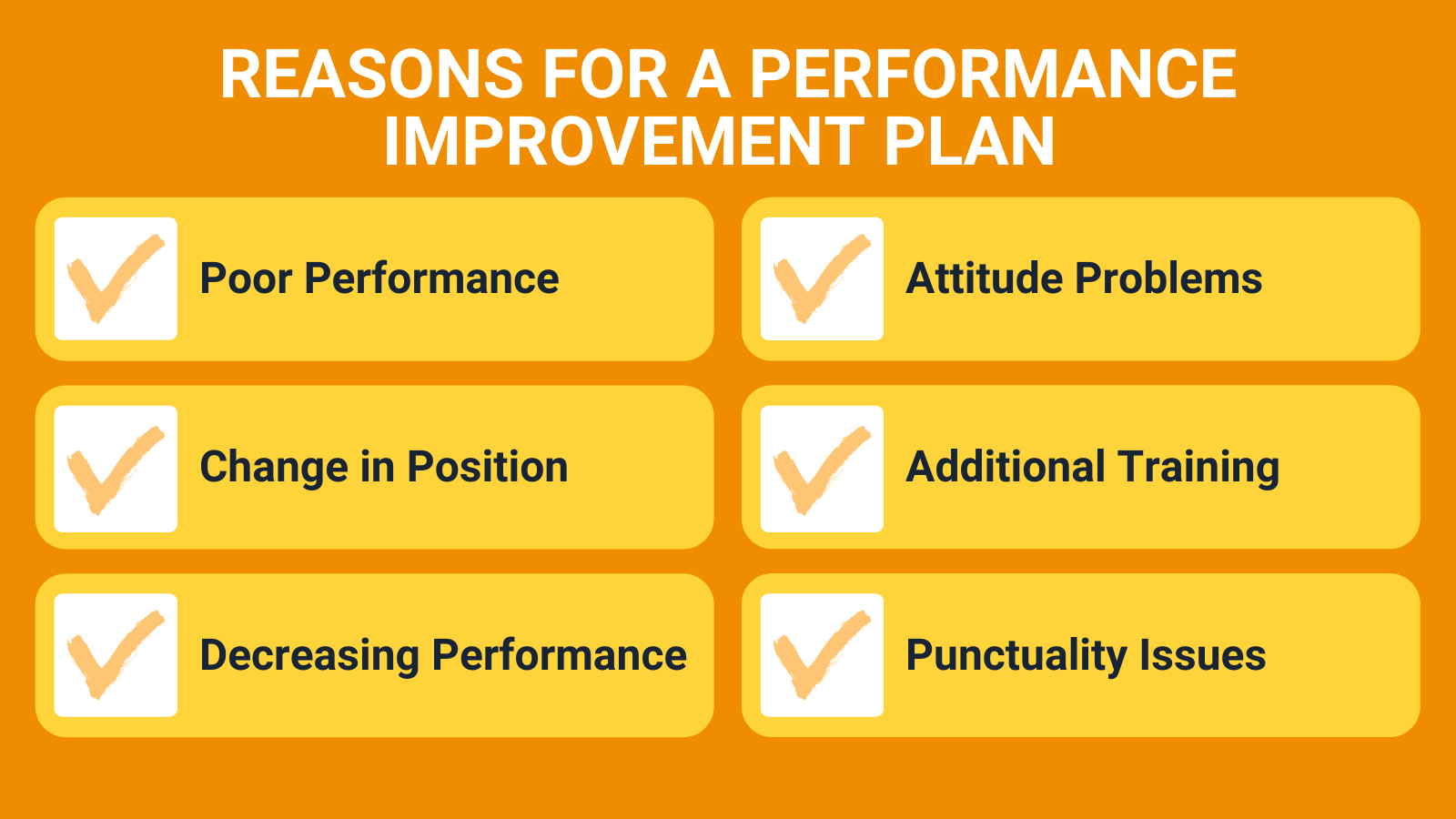
How to Survive a Performance Improvement Plan
FAQs
Not necessarily. A PIP is not a termination notice. It's a structured opportunity for the employee to improve performance with clear guidance and support. While some PIPs may ultimately lead to termination if goals aren't met, many result in the employee making meaningful progress and staying on the team.
Most PIPs last between 30 to 90 days, depending on the nature of the performance issues and the goals outlined. The timeline should be long enough to allow for genuine improvement but short enough to maintain urgency.
Yes, but it's usually not advisable. Refusing to sign a PIP doesn't stop the process and may reflect poorly on the employee. Signing typically just acknowledges receipt, not agreement, and opens the door for collaboration and improvement.
If the employee meets the expectations outlined in the PIP, they usually return to good standing. Successful completion may also result in additional opportunities, such as new responsibilities or eligibility for raises or promotions, depending on company policy.