A nurture stream, or lead nurturing, is a marketing strategy for building a relationship with buyers at every stage of the funnel. Leads who may not be ready to buy a product are put into a nurture stream that allows a product to stay on their radar as they learn more about the solution.
Nurturing involves educating and communicating with a prospect through personalized updates, product news, guides, demonstrations, and more through email and social media channels.
Lead nurturing often involves some combination of marketing technology and automation to create a multi-step process that can run on its own.
For example, a prospect may receive a sequence of educational emails about a particular use case that’s relevant to their business. Others may be part of multiple drip campaigns that consist of customer case studies, product demos, and testimonials.
A key component of nurture marketing is lead scoring, which determines how qualified a prospect is and what content is appropriate for them. This is achieved by attaching values to leads based on their behavior relating to their interest in a product and delivering content based on those values.
Example of Lead Nurture tools include:
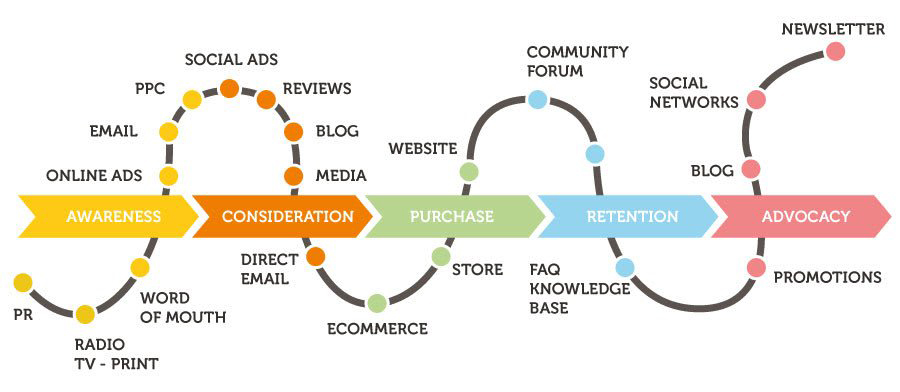
The Lead Nurturing Process:
FAQs
The best nurture content includes educational articles, product comparisons, case studies, webinars, and interactive tools. Your leads in the earliest stages might respond well to broad industry insights or use cases. Better-qualified leads, in contrast, will likely prefer product demos, pricing calculators, or customer testimonials. It's important to match your content to your lead behavior and stage.
The length of a nurture stream depends on your sales cycle and buyer journey. When you're in a shorter sales cycle, a few weeks of targeted content can be plenty. For B2B or enterprise sales, in contrast, nurture streams can last several months. This will help your team gradually build trust and move their prospects closer to conversion. The key is to monitor your engagement and have your team adjust the cadence or content as they see fit.
Yes, segmentation is a critical part of successful lead nurturing. It's a good idea to create distinct nurture streams based on buyer personas, industry, or behavior. This can help your marketers deliver highly relevant content that will resonate with each group. Personalizing in this way can increase your prospects' engagement and improve your conversion rates.
Check in which key metrics, including open rates, click-through rates, engagement with gated content, and changes in lead score. An increase in MQLs (marketing qualified leads), lower time-to-convert, and improved sales acceptance are strong indicators of an effective nurture stream. Try regular A/B testing and performance reviews to help you refine your approach.