Average contract value (ACV) is the average revenue that a business earns per customer contract. While ACV is measured over a specific period of time, it’s most often used in the context of an annually measured value and conflated with the term annual contract value. Both terms mean roughly the same thing, but average contract value can apply over any time period, whereas annual contract value applies annually.
ACV is particularly relevant for SaaS businesses because it can easily be applied to subscription-based operating models. If, for example, a customer signs up to a three-year subscription under contract for $35,000, the ACV for this contract would be the sum of $35,000 / 3, or $11,666.66.
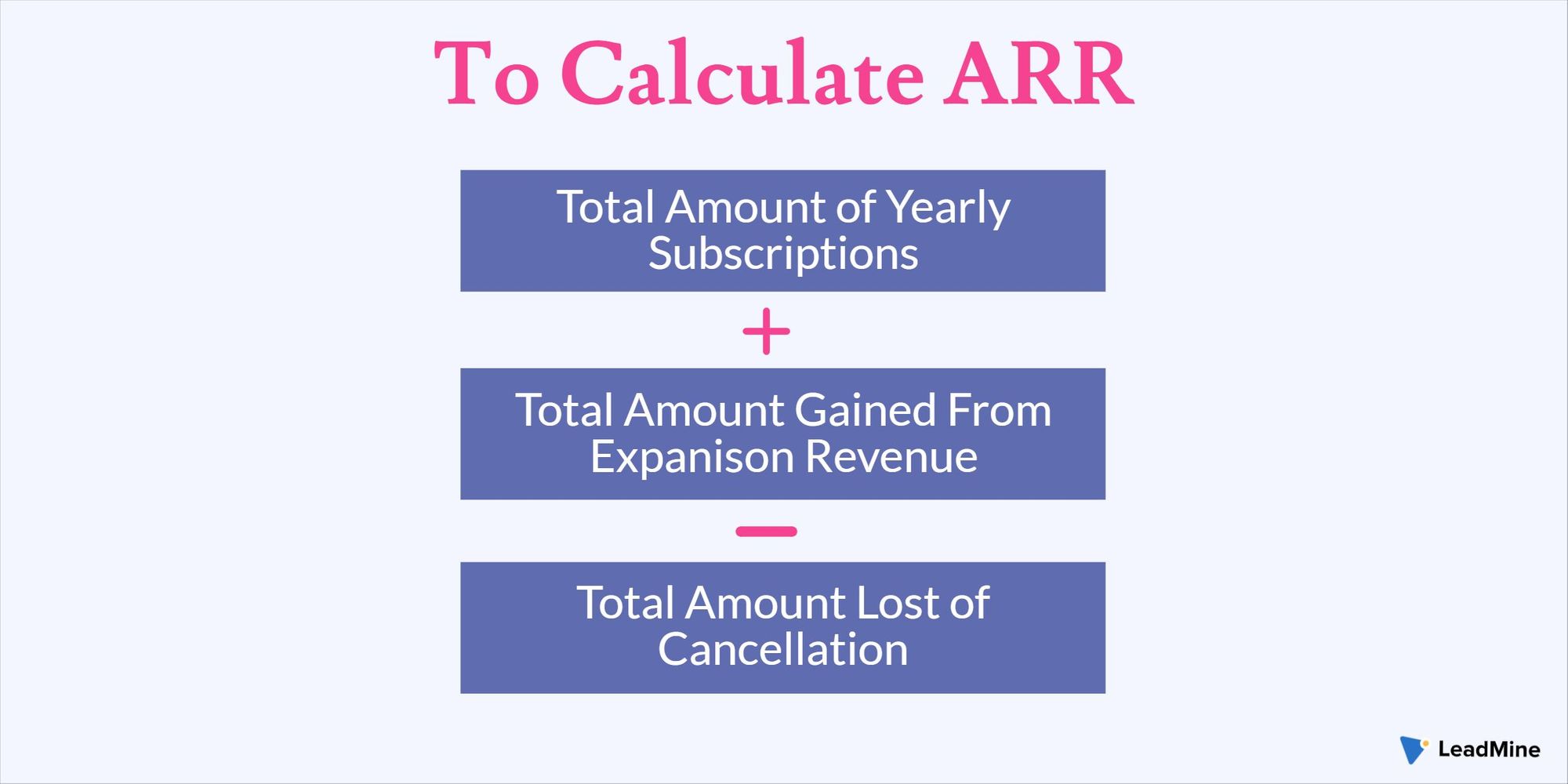
Although ACV isn’t the most useful metric on its own, it becomes an important figure for informing key business decisions such as sales, marketing, and pricing strategies when combined with other sales KPIs. ACV and annual recurring revenue (ARR) are often confused with one another because they are similar. ARR measures the value of recurring revenue at a single point in time. However, ACV normalizes them across a fixed time, usually one or more years.

ARR vs ACV vs TCV Explained:
FAQs
ACV helps SaaS companies understand the average value of each customer relationship and informs decisions around customer acquisition cost (CAC), sales team compensation, and long-term growth projections. It's especially valuable when segmented by customer type, industry, or deal size to optimize pricing and targeting strategies.
If a contract includes different pricing across multiple years, the ACV is calculated by summing the total value of the contract and dividing by the number of years. For example, if a three-year contract is worth $10,000 in Year 1, $15,000 in Year 2, and $20,000 in Year 3, the total contract value is $45,000. The ACV would be $45,000 / 3 = $15,000. This gives businesses a standardized way to compare deals of varying lengths and values.
ACV (Average Contract Value) measures the average revenue per customer contract over a fixed time period, typically one year. ARR (Annual Recurring Revenue), on the other hand, represents the total recurring revenue a company expects to earn in a year from all active subscriptions. While ACV is useful for understanding contract value on a per-customer basis, ARR provides a high-level view of a company's recurring revenue stream.