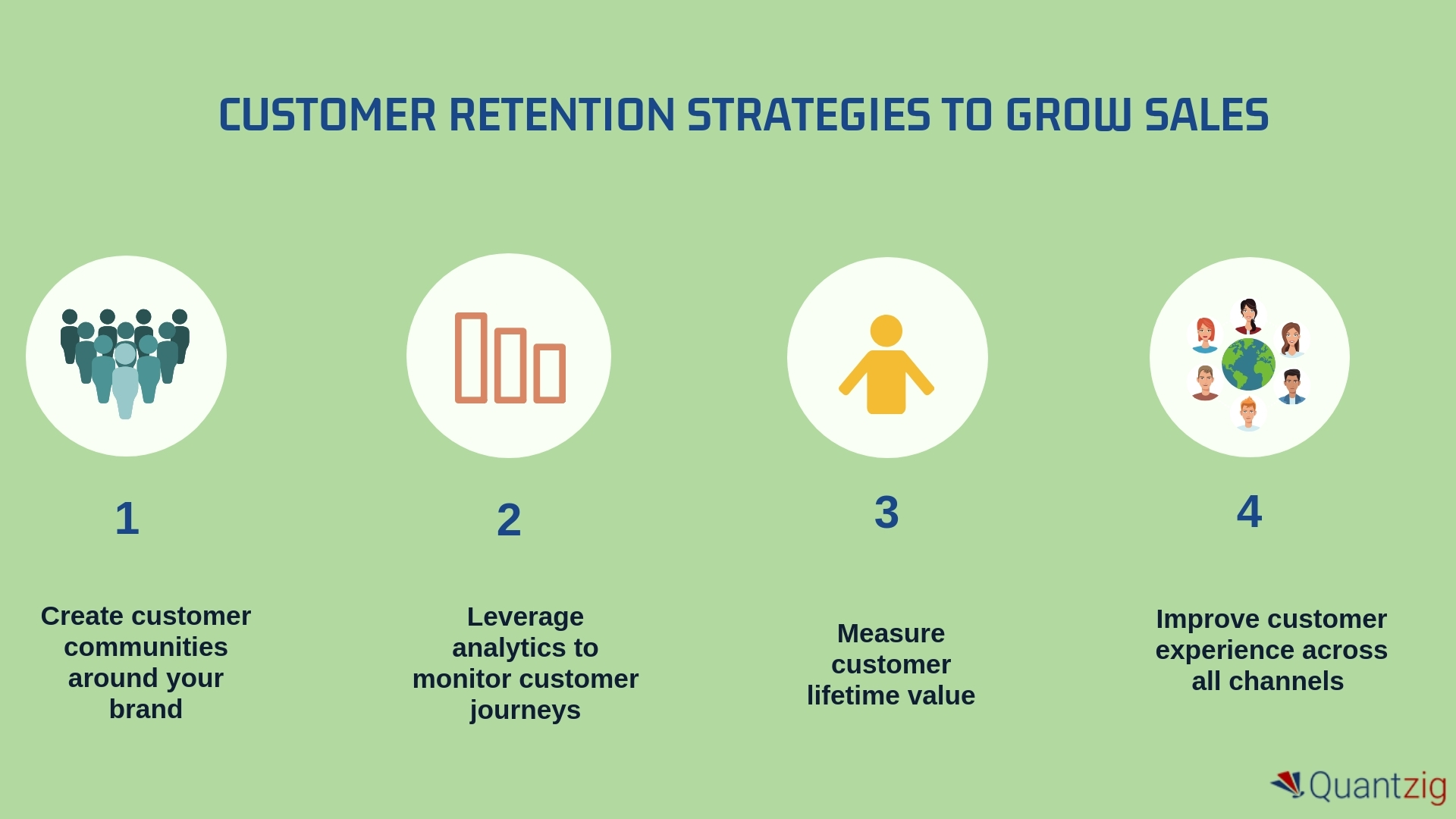
Customer retention is about keeping customers around.
That’s really all it is.
Retention literally means that customers keep using your product. They do not leave, and they do not switch to a competitor.
When retention is good, customers usually feel fine about what they are paying for. When it is bad, something is wrong. Sometimes it is obvious. Sometimes it is not.
Common reasons customers leave:
The product is confusing
Something breaks too often
Support takes forever
They stop seeing the value
A competitor looks easier or cheaper
Customer Retention vs. Customer Churn
Retention and churn are connected. Customer churn refers to the customers who leave, whereas retention means customers who stay.
Most teams look at both numbers together as they define each other. They are inversely correlated, meaning if churn goes up, retention goes down.
When churn is high, it’s usually a sign that something needs fixing.
Why Customer Retention Matters
Customer retention matters because keeping customers is easier and cheaper than finding new ones.
When someone is already a customer, a lot of the hard work is done. They already signed up. They already trust you enough to pay. They know what your product does and how it works.
Finding new customers takes time. It takes money. It takes sales calls, ads, demos, and follow ups. And even after all that, new customers might still leave early.
An effective retention strategy can significantly reduce sales and marketing expenses and improve customer acquisition costs, since fewer new customers are needed just to replace the ones who leave.
Existing customers are different because they are more likely to stay if things keep working. They are also more likely to buy more later, especially if the product improves or their needs grow.
Strong retention also makes everything feel more stable. Revenue is easier to predict. Teams are not constantly scrambling to replace customers who just left.
In simple terms, retention keeps the business moving forward without starting from zero every month.
Customers who stay:
Already know how the product works
Trust the brand more
Are more likely to spend again
Ask fewer basic questions
Retention also helps with money stuff. Revenue is more predictable. Sales and marketing do not have to work as hard just to replace lost customers.
How Companies Improve Retention
There is no fancy trick here. Retention is mostly about doing the basics well.





 LinkedIn
  Instagram
  X (Twitter)
  Youtube