A Business Requirement Document, or BRD, is pretty much where a lot of projects get their shape. It is the place where the business tries to explain what it wants and why it even needs the project in the first place. When teams read it, the idea is that everyone gets the same picture in their head so no one starts building something that does not connect to what the business asked for.
People mix BRDs up with things like user stories, specs, or product roadmaps and honestly it is understandable because everything overlaps in small ways. But a BRD is its own thing. It is the big, wide view of the project from the business side, written in a way that tries to keep the whole effort from becoming scattered. Once you get familiar with what usually goes into a BRD, the whole project process starts feeling a bit more normal and you are not guessing your way through it.
What Is a BRD?
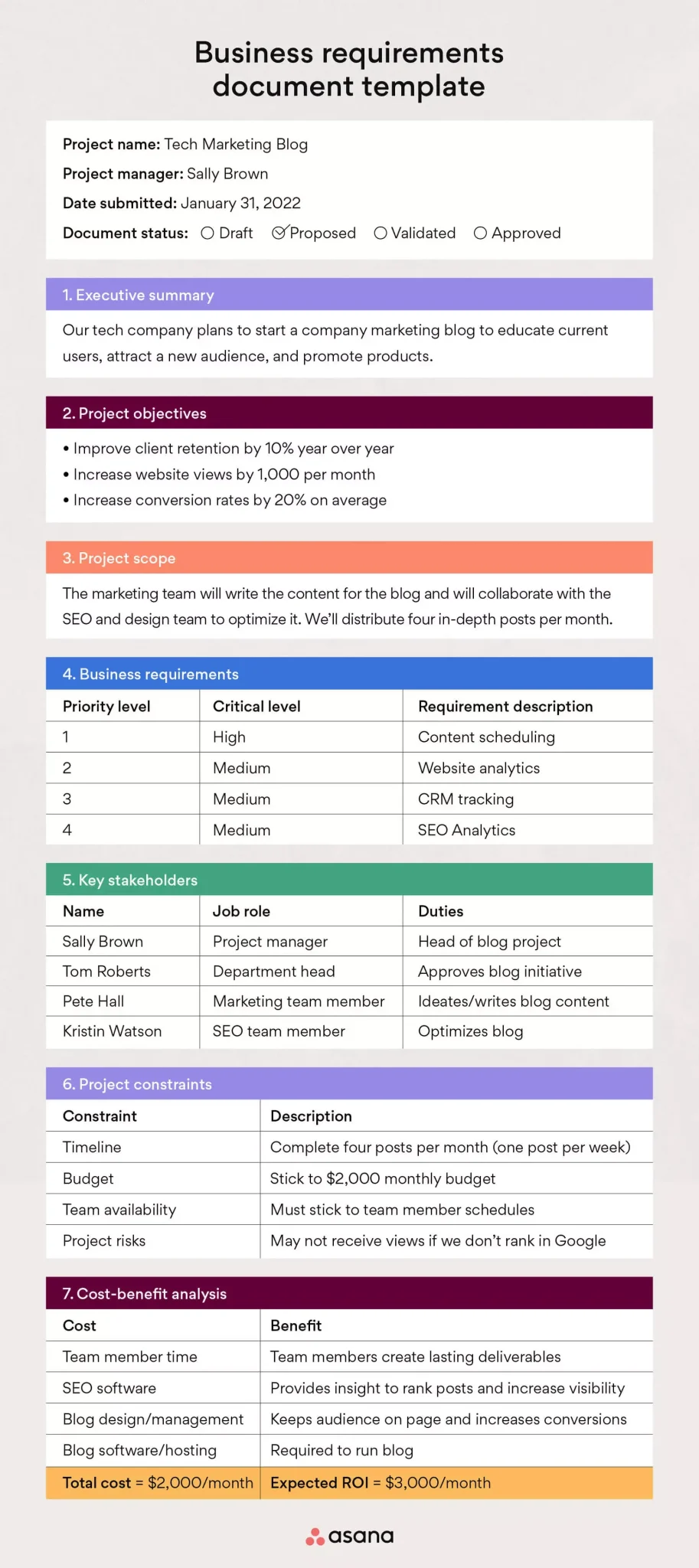
A BRD comes from the business team. It is where they explain the problem they want to solve or the opportunity they want to explore, along with what they expect the end result to be. When you read through a BRD, you will usually see things like:
the main business goal
what is included in the project and what is not
the major features or requirements
assumptions or limits the team should know about
what success should look like
who the main people are and what they do
the current state and the future state they want
Some BRDs are quick to read. Others are long and full of diagrams, appendices, and extra documents. The structure changes from one organisation to another, but the purpose stays the same. A BRD explains what the business wants and why it matters.
Different people read a BRD for different reasons. Some want the big picture. Some want the details. Project managers, designers, engineers, product teams, pretty much anyone who touches the project looks at it to understand what they should be aiming for. It helps with getting people aligned, figuring out how much work something will take, building timelines, checking if the solution ties back to the business goals, and avoiding extra fixes that come from people misunderstanding what the business wanted.
The BRD gives the overall direction. Then the teams who actually build things figure out how to bring that direction to life.
It is really just the business saying what it needs and the delivery teams deciding how to make that happen.
How BRDs Fit Into the Project Lifecycle
A BRD sits near the start but it influences almost everything else. It explains the why and the what. From there, business analysts break it down into more detailed requirements. Product and design teams work on user stories, screens, flows, all of that. Engineering figures out how to build it from a technical angle. Project managers map out the timing and try to keep everything on track.
If the BRD is confusing, everyone else has a harder job. That is usually when things start drifting or when rework piles up. So a clear BRD saves a lot of frustration later.
Why Knowing What a BRD Is Helps
Teams that actually understand what a BRD is trying to communicate avoid a lot of unnecessary back and forth. When everyone knows the goal and what success is supposed to be, decisions are easier and conversations feel more grounded. The BRD keeps the project steady by connecting the overall strategy to the everyday work and the final result.
Best Practices: What Makes a Strong BRD?
Every company formats BRDs differently, but strong ones usually share a few qualities.
Clear structure
A clean layout helps people understand the goals, the scope, and what is being asked for without digging around.
Detailed and relevant information
The more helpful context you include, such as background, challenges, future plans, stakeholder expectations, and supporting data, the easier it is for teams to make good decisions.
Well defined requirements
Explain what the business needs the solution to achieve. Specific and measurable requirements make everything smoother later on.
Stakeholder alignment
Get feedback early, sort out disagreements, and make sure everyone agrees before calling the BRD complete.
Traceability
Each requirement should connect to a business objective. This helps teams keep scope under control and understand why each requirement exists.
Review and refinement
A few rounds of review catch unclear sections or missing pieces. This makes the final BRD much stronger.
Why a Strong BRD Matters
A strong BRD changes how the project feels. It gives everyone a shared starting point, so the team knows what the business wants and why the work matters. When that foundation is clear, the rest of the project usually moves more smoothly. A thoughtful BRD sets the tone for everything that follows and gives the team a better chance of building something that actually solves the problem the business cared about in the first place.
Not exactly. A BRD describes business needs. A Functional Requirement Document explains how the solution fulfills those needs. They work together but serve different purposes.
Most medium and large projects benefit from one. Smaller initiatives might use a lighter version, but the principle is the same: document the problem, goals, and constraints clearly.
Because they gather input from multiple stakeholders, outline scope, capture assumptions, and define success. This upfront effort prevents misunderstandings and costly changes later.





 LinkedIn
  Instagram
  X (Twitter)
  Youtube