Tenders and bids show up all the time in public procurement, especially in the EU, and they’re basically the backbone of how public organisations buy things. People mix the words up a lot, which is understandable, because they’re part of the same process. But they actually mean two different things, and once you understand the split, the whole system makes more sense.
What Is a Tender?
A tender is something the buyer puts out. Think of governments, cities, hospitals, universities, or any public authority that has to follow a strict set of procurement rules. When they publish a tender, they’re basically saying:
here’s what we need
here’s the process
here’s how we’re going to choose someone
A tender usually includes the scope of work, eligibility rules, contract terms, scoring criteria, and a long list of instructions on how to submit your response. Some tenders are short and straightforward. Others feel endless, with pages of annexes and technical details. But the idea is always the same. The buyer lays out exactly what they want, and everyone has to play by the same rules.
What Is a Bid?
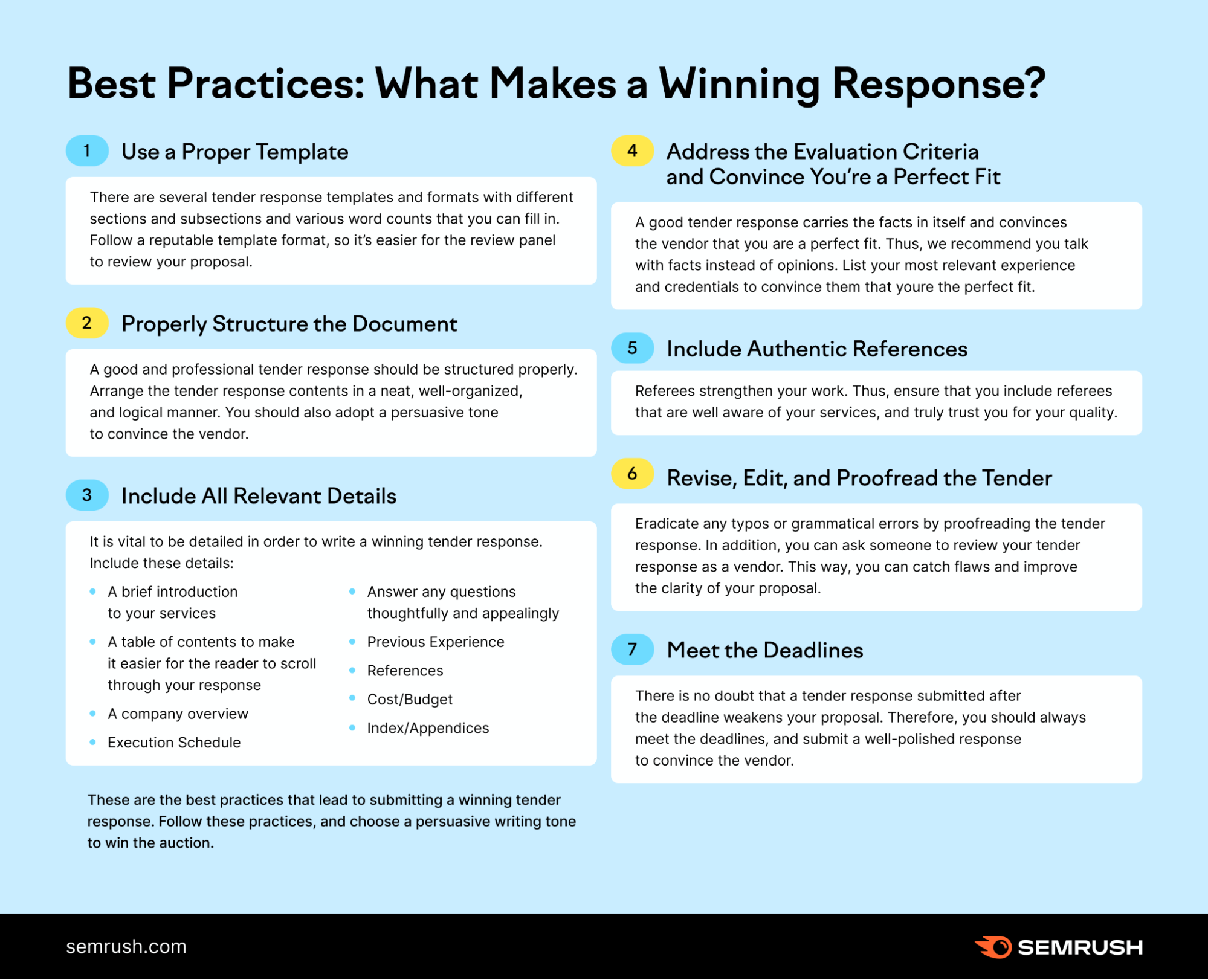
A bid is the supplier’s answer to that tender. It’s the full package you send back to show you can do the job. This usually includes:
how you plan to deliver the work
your pricing
your experience
your compliance documents
case studies and examples
who will be on the team
how you’ll manage risks
anything else the tender specifically asks for
The tender gives the structure, and the bid is you filling in all the blanks.
In the simplest terms: the authority puts out the tender, and suppliers compete by submitting bids.
Even though they’re different, tenders and bids depend on each other. The tender exists so the buyer can explain what they need in a clear, standardised way. The bid exists so you can show you meet those needs.
In the EU, this comes with a lot of rules. You usually have to:
submit the ESPD
follow formatting rules
attach documents in the right order
meet financial and technical thresholds
answer every question exactly as written
Even small mistakes can cause problems. Missing attachments, wrong file names, missing signatures, or not following the structure can get a bid rejected without anyone even reading the rest. That’s why bid work takes patience and a good internal workflow.
Why Knowing the Difference Helps
Once you understand what a tender is and what a bid is, the whole process becomes easier to follow. One is the official request. The other is your response. One sets the rules. The other tries to win within those rules.
When teams mix them up, they end up confused. When they understand the difference, the rest of procurement finally starts to click.
Not really. A tender comes from the buyer and lays out what they need. A bid comes from the supplier and explains how they plan to deliver it. They work together, but they are not the same.
Yes. If you want to compete, you need to submit a bid that follows the exact instructions in the tender. Even small tenders usually require a structured response.
Because public procurement has a lot of rules. Buyers need everything to be fair and transparent, which means suppliers have to follow detailed instructions, attach the right documents, and meet specific criteria. It's a lot of work, but it keeps the process consistent for everyone.





 LinkedIn
  Instagram
  X (Twitter)
  Youtube