Social selling is the process of developing relationships as part of the sales process, typically through social networks where brands use their own social media channels to connect with prospects, develop a connection, and engage with potential leads.
It’s a relatively new but powerful approach to selling, and it enables sales professionals to target their prospects with laser precision and establish strong, thorough connections. Although not exclusive to it, social selling is dominated by social media, and as a sales technique, it leads to better lead generation, better sales prospecting, and eliminates the need for outdated methods such as cold calling.
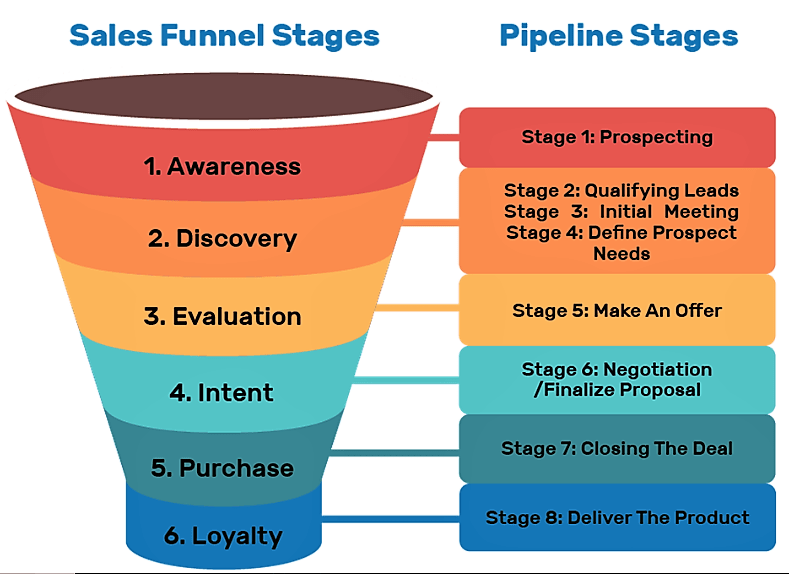
Social selling can be broken down into these steps:
- Identifying leads:
Using social media tools to find potential customers based on their job titles, company, industry, or geography. - Building relationships:
Engaging with these customers by sharing content on social media, commenting on their posts, or sending them personalized direct messages (DM). - Nurturing leads:
Continuously engaging with potential customers over a period of time to build rapport and establish a relationship. - Closing sales:
Using the connections you’ve built through a social channel to close new business.
You can think of social selling in the same way as many modern relationships are built; actively connecting with potential customers (i.e., friends) on social media and posting content that engages these people. Although in social selling, this content is targeted ads rather than posting photos of your food.

Social Selling Explained:
FAQs
You've got to look beyond vanity metrics like likes and shares. Track how many connection requests are accepted, how much engagement you get on targeted posts, and the rate of responses you get to your DMs. And ultimately, how many relationships convert into qualified leads or closed deals? Some CRMs and tools like LinkedIn Sales Navigator even have social selling index (SSI) scores to help quantify your efforts.
It really depends which platforms your audience is using. In terms of B2B sales, LinkedIn is the primary spot for professional focus and advanced search. Twitter and Facebook can work well for B2C. Instagram and TikTok are big for industries like fashion, fitness, and lifestyle.
No. Both do use social platforms, but social selling is about building 1:1 relationships and engaging directly with prospects. But social media marketing focuses on getting content in front of a broader audience. You can think of social selling as a personal conversation and social media marketing as a public announcement.
Definitely not. You can gain a ton of new business from the right engagement with the right people. A focused approach that includes commenting, messaging, and sharing useful content is far better than screaming your brand into the void of a huge but disengaged audience.