




 LinkedIn
  Instagram
  X (Twitter)
  Youtube








Tendering in Europe comes with a lot of rules and way more paperwork than anyone really wants to deal with.
Bid teams can spend what feels like forever digging through long tender notices, trying to make sense of all the compliance bits, filling out the European Single Procurement Document (ESPD), hunting down evidence, and chasing people for input. It takes solid organisation and a decent sense of what evaluators are actually looking for.
Generative AI is starting to ease this workload. Teams use it to scan tender portals, pull out key requirements, draft early versions of technical sections, help with ESPD preparation, and review responses for completeness. With this support, bid managers can spend more time on strategy and scoring instead of repeating the same tasks.
This guide walks through how EU tenders work, how they differ from RFP practices in the United States, and how AI is helping improve each stage of the process.
Key Takeaways:
- AI can speed up tender work, but it only works well when teams keep their content organised. Many bid teams still waste hours rewriting or hunting for the same information because their libraries are outdated or scattered.
- Most tender delays come from avoidable admin mistakes, not strategy. EU tenders are strict about structure and formatting, and AI tools can catch missing attachments, wrong file names, and overlooked requirements before submission.
- AI helps teams handle the repetitive parts so they can focus on the pieces that influence scoring. Drafting, compliance checks, ESPD prep, and requirement mapping all get easier, leaving more time for clarity, narrative, and strategy.
Understanding Tenders and Bids in the EU Procurement Process
Tenders and bids are both equally important parts of the procurement process in the EU.
A tender is a formal request from a public sector authority or a regulated organisation asking suppliers to compete for a contract. It outlines what the buyer expects, who is eligible, how to respond, and how each bid will be evaluated.
A bid is the response that a supplier submits to that tender. The tender gives the process its overall structure. The bid fills it with the supplier’s technical approach, pricing, and supporting documents. Each side plays its role. The authority issues the tender, and suppliers enter the competition by sending in their bid.
In the European Union, tenders have to follow a whole set of procurement rules that are basically there to keep things transparent, fair, and open to real competition. Those rules end up creating a process that is pretty structured and honestly pretty paperwork heavy, with clear expectations around getting things right and being able to trace everything back if needed.
Tender documents usually spell out:
- What the buyer is looking for
- Who is eligible to take part
- How each response will be evaluated
- What evidence or certifications need to be included
- How the buyer scores technical strength and commercial value
Since evaluators depend on consistency, suppliers are expected to follow the instructions carefully, match the required structure, and provide information that is easy for the authority to review and verify.
Common features of EU tenders include publication on official platforms such as Tenders Electronic Daily (TED), the EU’s main database for public notices, and Bulletin Officiel des Annonces des Marchés Publics (BOAMP), the French government’s official procurement bulletin, along with national portals like Doffin.
Most EU tenders involve tight compliance reviews, set scoring criteria, and structured forms like the ESPD, as well as portal submissions that require the correct formats and document order.
Compared to the RFP process in the United States, EU tenders lean more heavily on formal requirements, legal evidence, and strict scoring discipline.
Understanding the EU Tender Process
Although every country uses its own portals and templates, the tender process across Europe tends to follow the same general flow. Bid teams become familiar with these stages over time and learn to manage them with a mix of organisation, teamwork, and clear communication.
1. Finding and Reviewing Tender Notices
Most tender journeys start the moment a new notice goes live. Bid teams scan a range of national and sector specific portals to find opportunities that match their capabilities. They look at CPV codes, contract values, delivery locations, and the technical scope to decide whether a tender is worth exploring. Because notices are spread across many platforms, discovery can take time. It often involves sorting through outdated listings and filtering out tenders that are not a good fit.
2. Deciding Whether to Bid
Once a tender looks promising, the team decides whether to move forward. This step includes checking eligibility rules, financial thresholds, and mandatory certifications. The ESPD requirements also guide whether a supplier can take part, since they cover the buyer’s expectations around legal and financial standing. Teams also consider technical fit, delivery capacity, past performance, risk, and margin. Many tenders are ruled out here, often because a requirement is missing or interpreted incorrectly rather than because the supplier lacks capability.
3. Submitting Questions and Reviewing Answers
During the clarification period, suppliers can send questions to the contracting authority. These questions need to be clear and focused, since vague or speculative queries are often declined. Once the authority replies, the answers are posted publicly so all bidders receive the same information. This stage can shape the direction of the bid, especially when the authority clarifies important requirements or scoring details.
4. Preparing the Full Bid Response
This is usually the most demanding stage. Bid teams write the full proposal explaining how they will meet the buyer’s needs. This typically includes the technical approach, delivery plans, staff and governance models, and quality and risk management. Many tenders now require ESG or environmental information as well. Teams also prepare pricing annexes, financial models, compliance matrices, and case studies. Every section must follow the tender structure and scoring criteria, since evaluators award points based on specific and complete answers.
5. Completing the Review and Sending the Bid
Before submitting, teams complete a detailed review. They make sure every requirement has been covered, that all instructions have been followed, and that the file names and formats meet the portal rules. Signatures and supporting documents are double checked, and the full package is organised in the correct order. Even small issues like a missing attachment or an incorrectly named file can lead to rejection, which is why this stage calls for patience and careful attention.
How AI Helps Improve the Tender Process
AI is now helping teams across almost every stage of the tender process. The same benefits seen in traditional proposal work apply here as well, and they can feel even stronger because EU tenders are so structured and documentation heavy. Many teams are starting to use AI as a practical assistant that handles the slow, repetitive tasks, highlights key requirements, and keeps everything organised. This support gives bid managers more time to focus on strategy, clarity, and the parts of the response that truly influence scoring.
1. Using AI to Discover Tender Opportunities
Tender discovery is often where teams notice the first big improvement. Instead of checking several portals each day, AI can scan them continually and surface opportunities that fit the team’s capabilities. It filters notices by CPV codes, key terms, location, budget, and delivery needs. This removes a lot of manual work and lets teams spot good opportunities much sooner.
Tools for Tender Discovery
Some teams use dedicated tools to help with this stage. Platforms like Tenderlake, Tendero or Mercell use AI powered filters to scan procurement portals and highlight opportunities that match a supplier’s capabilities.
Early visibility often matters, especially when timelines are short.
2. Preparing the ESPD and Handling Compliance
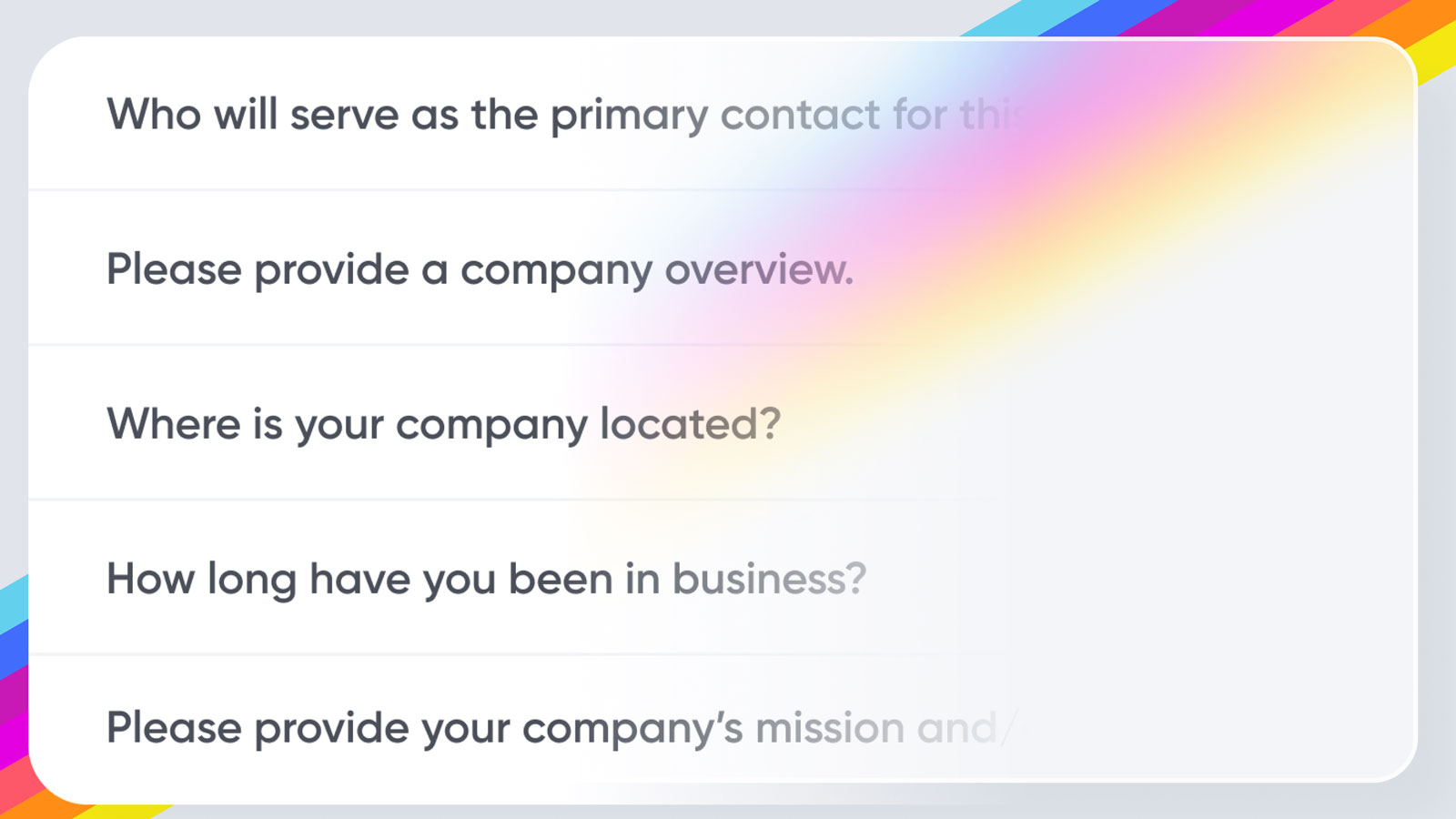
The ESPD is a major part of EU procurement, and it is an area where AI can genuinely lighten the load. AI can read the tender notice, pull out the mandatory requirements, and even pre fill sections of the ESPD using information the supplier already has. It can flag missing evidence, highlight possible eligibility issues, and organise the supporting documents that evaluators expect. Because the ESPD is so structured and repetitive, AI tools tend to handle it well and remove a lot of the routine busywork teams usually face.
Tools That Support ESPD and Compliance
Some suppliers also use specialised tools such as ESPD.eu, the Virtual Company Dossier, or systems built on the ESPD Exchange Data Model to help with electronic ESPD completion and evidence management. These tools make it easier to stay consistent across tenders and ensure that compliance information is packaged correctly before submission.
3. Writing the Technical Parts of the Bid and Working Together Effectively
The technical sections tend to be where teams spend the most time and effort. Much of the work involves completing long and detailed questionnaires. Every requirement from the authority needs to be turned into a clear explanation of the team’s methodology, delivery approach, staffing plan, governance model, and sustainability practices. On top of that, teams prepare pricing annexes, case studies, and risk management plans. It takes coordination because each response has to match the scoring criteria and fit neatly into the structure set by the tender.
AI is easing this pressure by treating the tender almost like a structured questionnaire. It reads the documents, breaks them into individual prompts, and automatically answers many of those prompts using the company’s approved knowledge base. The system produces early drafts that collaborators can refine together. Instead of starting from a blank page, bid teams get well structured first versions that reflect the intent of each requirement and help them move faster.
This is also where collaboration becomes critical. Tender responses often involve many contributors, and keeping track of who owns which section can be challenging. AI supported platforms can help manage work allocation, version control, internal reviews, and deadlines, which is especially valuable for large or cross border teams working on several tenders at once.
Tools for Automating Technical Responses and Collaboration
1up brings both of these needs together. The platform reviews each question and draws from your company’s approved materials, past tenders, and compliance documents to produce complete and accurate draft answers for your team to edit. It handles the questionnaire style breakdown automatically and creates structured responses based on the content your organisation already trusts.
Because 1up relies on verified internal knowledge, the drafts stay consistent with your approved policies and previous wins. This makes it particularly helpful for methodology sections, delivery plans, ESG content, and case studies. It also supports collaboration by keeping work organised, managing updates, and helping teams stay aligned as they move toward submission. The result is a smoother workflow that saves time without replacing the judgement and expertise that bid teams bring to the final response.
4. Compliance and Completeness Checks
Compliance is one of the biggest pressure points in EU tenders because even small oversights can lead to rejection. When filling out compliance questionnaires, AI can review the full response and check whether every requirement has been answered, whether the scoring criteria have been covered, and whether all the right attachments are included. It can also catch issues like incorrect file names, missing sections, or formatting problems. These automated checks give teams extra confidence before they submit their final package.
Tools That Support Compliance and Final Checks
Some teams also rely on tools like Tenderflow and Tracker, which offer automated requirement tracking and document validation. These platforms help flag gaps early and make sure the submission meets the structure and rules of the tender portal.
What to Consider Before Using AI for Tender Responses
AI can make tender work faster and more manageable, but it still needs to be used thoughtfully. Public procurement is heavily regulated, and suppliers must stay within both legal boundaries and their own internal governance rules. AI is at its best when it enhances the work of experienced bid teams rather than trying to replace their judgement. Here are a few things to keep in mind before adopting AI for tender responses.
1. Human Oversight Is Essential
Even the most advanced AI cannot replace the judgement of an experienced *HUMAN* bid manager. AI can draft content, organise requirements, and check for gaps, but humans are still responsible for interpreting legal requirements, shaping the value proposition, setting pricing, and making the final call on what gets submitted. Public procurement also expects clear accountability, so every AI generated or AI assisted section still needs human review. In short, AI can handle the heavy lifting, but people remain responsible for accuracy, compliance, and the overall strategy of the bid.
2. Use Verified Internal Content
AI tools produce their best work when they build from accurate and approved information. This is why many organisations create controlled response libraries before adopting AI at scale. These libraries might include approved method statements, standard company narratives, case studies, policy documents, and summaries of relevant regulations. When AI draws from reliable content, the output is far more consistent and trustworthy. It also reduces the risk of outdated or incorrect information slipping into a final submission.
3. Protect Sensitive Information
EU tenders regularly involve sensitive business information such as financial statements, insurance documents, certifications, security information, and sometimes personal data. Any AI platform used by a bid team needs to respect strict data governance standards, both for regulatory compliance and internal risk management. Teams should know where their data is stored, how it is processed, who can access it, and whether it is used to train external models. Choosing tools that offer clear security documentation and strong privacy controls is essential for protecting both company and client information.
4. AI Should Support Human, Not Replace Them
AI can speed up drafting and improve organisation, but it cannot decide how your company positions itself or what makes your bid stand out. It cannot set your commercial strategy, determine pricing, or understand the nuances of your relationships with buyers. Those decisions still sit firmly with the bid and leadership teams. Think of AI as a support system that helps your team spend more time on the high value parts of bidding instead of getting buried in paperwork and repetitive drafting.
The Future of AI in Tendering
Tender management in Europe has always been detailed and heavily regulated. AI is now helping teams cut through that workload by handling repetitive tasks, producing early drafts, and keeping responses organised. This gives bid teams more time to focus on strategy, win themes, and the parts of the bid that actually influence the score.
And this is only the start. In the coming years, AI will push even further with:
- Systems that generate near complete tender responses using your past wins and evaluator preferences
- Tools that extract requirements instantly from hundreds of pages of annexes and technical documents
- Automated compliance engines that validate responses against ESPD rules and national regulations in real time
- Models that forecast scoring outcomes before submission and suggest improvements
- Insights that show how competitors typically position themselves and where your bid can stand out
- Submission assistants that prepare portal ready packages, check every upload field, and guide teams through the final steps
The trend is clear. Less admin, more strategy, and a faster path to stronger bids.
If you want to see how this works in practice, book a quick demo of 1up and explore how it fits into your own tender process.